
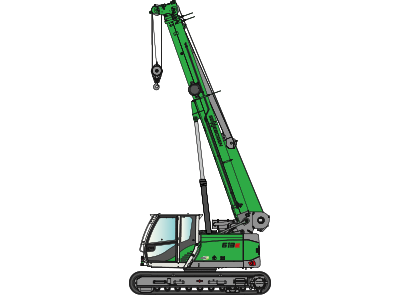
A telescopic crawler crane in Singapore gives contractors and industrial teams a practical way to lift heavy loads on sites where space, ground conditions and access routes are not always friendly. In Singapore, many projects happen within dense urban areas, active industrial zones, confined workspaces or uneven ground. You need lifting equipment that can move, stabilise and perform without slowing the entire site down.
This is why telescopic crawler cranes are increasingly used across construction, civil engineering, infrastructure, plant maintenance and industrial projects. They combine the reach of a telescopic boom with the stability and mobility of crawler tracks, making them suitable for jobs where conventional mobile cranes may struggle.
In this guide, you will learn how telescopic crawler cranes work, why they suit Singapore job sites, when a mini crawler crane makes sense, what affects rental cost, and how to choose the right crane supplier in Singapore for your project.
What Is a Telescopic Crawler Crane?
A telescopic crawler crane is a lifting machine that combines an extendable boom with crawler tracks. The boom gives it adjustable reach, while the tracks provide better stability and movement across challenging surfaces.
Unlike lattice boom cranes, which use a fixed-section boom structure, telescopic crawler cranes can extend and retract their boom based on the lift requirement. This makes them useful when the site needs both lifting strength and flexibility.
Understanding How Telescopic Boom Technology Works
The telescopic boom extends and retracts in sections, allowing the crane to adjust its lifting height and reach without needing a full boom assembly on-site. This makes setup faster and helps the crane adapt to different lifting positions. It also supports projects where the working radius changes during the job.
The Role of Crawler Tracks in Site Mobility
Crawler tracks spread the crane’s weight over a wider ground contact area, helping improve stability on soft, uneven or prepared surfaces. They also allow the crane to move around the site without relying on outriggers for every repositioning task. This is useful on construction sites where the lift point changes throughout the day.
Key Components of a Telescopic Crawler Crane
The main components include the telescopic boom system, crawler tracks, counterweights and safety systems. The boom provides height and reach. The tracks support movement and stability. Counterweights help balance lifting forces, while safety systems assist with load monitoring, operating limits and controlled crane movement.
Why Singapore Construction Projects Are Turning to Telescopic Crawler Cranes
Singapore projects often need equipment that can do more in less space. Telescopic crawler cranes fit this need because they can support lifting work in urban, industrial and civil engineering environments where access, ground stability and efficiency matter.
Managing Space Constraints in Urban Developments
Urban construction sites often have tight boundaries, shared access routes and limited staging areas. A telescopic crawler crane can operate within more compact site conditions compared with larger conventional crane setups. This helps contractors manage lifting work without taking up too much workspace.
Supporting Infrastructure and Civil Engineering Works
Infrastructure and civil engineering projects may involve uneven ground, temporary platforms, slopes or partially completed surfaces. Crawler tracks improve mobility across these conditions and help the crane stay stable during lifting operations. This makes them useful for roadworks, utility projects, drainage works and transport infrastructure sites.
Improving Site Productivity and Efficiency
A telescopic crawler crane can reposition more easily around the work area, which reduces waiting time between lifts. Since the boom can adjust its reach without major reconfiguration, teams can complete different lifting tasks with fewer interruptions. On a busy site, that matters more than it sounds.
Reducing Crane Setup Time
Telescopic boom cranes generally require less setup than lattice boom cranes because the boom does not need to be assembled in long sections. Faster setup helps when sites have tight work windows, limited access periods or staged lifting schedules.
Key Advantages of Telescopic Crawler Crane Rental
Telescopic crawler crane rental gives you lifting capability without the long-term cost and responsibility of ownership. It is especially useful when your project needs powerful equipment for a fixed period, specific phase or changing work area.
- Fast Mobilisation Between Work Areas: Crawler tracks allow the crane to move around the site more easily, reducing time spent on repeated repositioning.
- Ability to Travel with Loads: Some telescopic crawler cranes can travel with suitable loads under controlled conditions, which helps when materials need to be shifted across the work area.
- Reduced Ground Pressure: The crawler track system spreads machine weight more evenly, making it useful for softer or less even site conditions.
- Flexible Lifting Capacity for Multiple Applications: Adjustable boom reach allows the crane to handle different lifting points, heights and working radii within the same project.
- Improved Site Safety and Stability: A stable tracked base helps improve lifting control, especially when working on challenging ground or restricted sites.
- Cost-Effective Alternative to Crane Ownership: Rental gives you access to capable lifting equipment without tying up capital in a machine that may not be used all year.
Mini Crawler Crane: When Compact Lifting Equipment Makes the Biggest Difference
A mini crawler crane is useful when you need lifting support but do not have the space for a larger crane. It works best in projects where access, manoeuvrability and controlled placement matter.
- Working in Confined Construction Sites
Confined construction sites leave little room for machine movement, material staging and crane setup. A mini crawler crane helps you work within tighter spaces while still providing useful lifting capability.
- Indoor Installation Projects
Indoor works often involve height restrictions, floor loading concerns and limited access routes. A mini crawler crane can support equipment installation in factories, warehouses, commercial buildings and plant rooms when site conditions allow.
- Maintenance and Facility Upgrading Works
Facility upgrades often take place in live environments where downtime must be controlled. Compact lifting equipment helps move and position components without major disruption to surrounding operations.
- Projects with Restricted Access Points
Some sites have narrow entry points, ramps, gates or service access routes. A mini crawler crane can be easier to bring in and position compared with larger lifting equipment.
- Rooftop and Elevated Equipment Installation
Rooftop projects require careful planning around access, load limits and placement. A mini crawler crane can support elevated lifting works when the structure and lift plan are properly assessed.
Common Applications for Telescopic Crawler Cranes in Singapore
Telescopic crawler cranes are used across projects that need a balance of lifting power, mobility and adaptability. In Singapore, they are especially useful where site conditions change as work progresses.
- Commercial Building Construction
They support lifting for steel sections, precast components, façade materials, temporary structures and mechanical equipment on tight building sites.
- Industrial Plant Expansion
Industrial facilities often need lifting equipment that can operate around existing machinery, pipework and active work zones. Telescopic crawler cranes help with plant upgrades and equipment installation.
- Data Centre Development
Data centres require careful handling of heavy and sensitive equipment such as generators, chillers, switchgear and mechanical systems. Controlled lifting helps reduce handling risks during installation.
- Utility and Infrastructure Projects
Crawler cranes support utility works, drainage upgrades, road improvement works and transport infrastructure projects where ground conditions may vary across the site.
- Mechanical and Electrical Installations
They are useful for placing heavy M&E components such as pumps, tanks, AHUs, ducts, electrical panels and plant equipment.
- Equipment Relocation and Plant Maintenance
For shutdowns or maintenance works, telescopic crawler cranes can help remove, reposition or replace machinery in industrial and commercial facilities.
Telescopic Crawler Crane vs Conventional Mobile Crane: Which Is Better?
Both crane types have their place. A mobile crane may work well for open areas with good road access and firm ground. A telescopic crawler crane is usually better when site conditions are tighter, softer or more changeable.
- Site Accessibility Comparison: Telescopic crawler cranes handle restricted and uneven worksites better because they do not rely as heavily on wide paved access routes.
- Ground Condition Performance: Crawler tracks distribute weight more evenly, giving better performance on prepared, soft or uneven surfaces.
- Setup and Mobilisation Requirements: Telescopic crawler cranes can reduce setup time because the boom extends hydraulically and the machine can reposition on tracks.
- Lifting Flexibility: Adjustable boom reach makes it easier to handle different lifting points without major equipment changes.
- Overall Project Cost Considerations: While rates depend on crane size and project needs, telescopic crawler crane rental can reduce downtime, setup complexity and ownership costs.
| Feature | Telescopic Crawler Crane | Mobile Crane |
| Uneven Terrain Performance | Excellent | Moderate |
| Setup Time | Fast | Moderate |
| Mobility on Site | High | Limited |
| Confined Area Access | Excellent | Limited |
| Ground Pressure | Lower | Higher |
| Rental Flexibility | High | Moderate |
How to Choose the Right Telescopic Crawler Crane Rental for Your Project
The right crane depends on more than maximum lifting capacity. You need to match the machine to the lift, site conditions and project schedule.
- Evaluate Required Load Capacity: Confirm the actual load weight, including rigging gear, attachments and lifting accessories.
- Consider Lift Radius and Height: Check how far and how high the load must be lifted. Crane capacity changes as radius and boom extension increase.
- Assess Site Conditions: Review access routes, turning space, work area layout, nearby structures and overhead restrictions.
- Review Ground Bearing Capacity: Make sure the ground can support the crane, counterweights and lifted load during operation.
- Determine Project Duration: Rental duration affects cost, planning and availability, so align the crane booking with your lifting schedule.
- Plan for Future Lifting Requirements: If later project stages need different reach or capacity, choose a crane solution that can support more than one phase where practical.
What to Look for in a Reliable Crane Supplier in Singapore
A reliable crane supplier in Singapore should provide more than equipment availability. You need technical guidance, maintained machinery and responsive support before and during the rental period.
- Extensive Rental Fleet Availability: A wider fleet makes it easier to match the right crane to your load, site and schedule.
- Proven Industry Experience: Choose a supplier familiar with construction, infrastructure, marine, industrial and maintenance environments.
- Equipment Maintenance Standards: Well-maintained cranes reduce breakdown risk and support safer lifting operations.
- Technical Support and Project Consultation: The supplier should help assess load requirements, reach, ground conditions, site access and lifting practicality.
- Compliance with Singapore Safety Regulations: Proper documentation, inspection support and safety standards matter on every lifting project.
- Responsive Delivery and Site Support: Quick coordination helps when lifting schedules change or site access windows become tight.
Cost Factors That Affect Telescopic Crawler Crane Rental
Telescopic crawler crane rental cost depends on the machine, project and support required. A lower rate does not always mean better value if the crane is not suitable for the site.
- Crane Size and Capacity: Larger cranes with higher lifting capacity usually cost more due to mobilisation, operation and support requirements.
- Rental Duration: Longer rental periods may offer better daily value, while short rentals can be affected by mobilisation and setup costs.
- Site Accessibility Requirements: Difficult access, restricted working hours or special delivery arrangements can affect rental pricing.
- Transportation and Mobilisation: Moving the crane to and from the site can be a major cost factor, especially for larger equipment.
- Operator Requirements: Some projects may require trained operators, signalmen, lifting supervisors or additional manpower support.
- Project Complexity: Lifts involving tight spaces, sensitive loads, difficult ground or multiple lift points may require more planning and technical input.
Safety Considerations for Crawler Crane Operations
Crawler crane safety depends on planning, ground assessment, operator competence and equipment condition. Even a well-suited crane needs proper controls before lifting begins.
- Site Risk Assessment: Identify access issues, nearby structures, overhead hazards, pedestrian routes and worksite constraints.
- Load Planning and Lift Studies: Confirm load weight, lift radius, boom configuration, rigging method and lifting sequence before operation.
- Ground Stability Checks: Assess ground bearing capacity and use suitable mats or support measures where needed.
- Daily Equipment Inspections: Check tracks, boom, hooks, wire ropes, controls, alarms and safety systems before use.
- Certified Operators and Safety Procedures: Use competent personnel who understand the crane model, lift plan and emergency procedures.
- Compliance with Workplace Safety Standards: Follow Singapore’s workplace safety requirements, site rules and lifting operation procedures.
Future Trends in Crane Rental and Lifting Solutions in Singapore
Crane rental in Singapore is moving towards more flexible, efficient and site-sensitive solutions. This reflects how modern projects are being planned and delivered.
- Increasing Demand for Compact Cranes: More projects are happening in dense, built-up and operational environments, increasing demand for cranes that can work in tight spaces.
- Smarter Lifting Technologies: Load monitoring, safety systems and improved operator controls are helping teams lift with better accuracy and visibility.
- Sustainable Construction Equipment: Contractors are paying closer attention to fuel efficiency, emissions, noise and equipment productivity.
- Growing Preference for Rental Over Ownership: Rental helps companies access newer equipment without long-term ownership costs, storage issues or underutilised assets.
Frequently Asked Questions About Telescopic Crawler Crane Rental
What is a telescopic crawler crane used for?
It is used for lifting heavy materials, equipment and structural components on sites with restricted access, uneven ground or changing lift points.
What are the advantages of a mini crawler crane?
A mini crawler crane offers compact access, better manoeuvrability and useful lifting capability for tight, indoor or restricted worksites.
Can a telescopic crawler crane travel while carrying a load?
Some models can travel with loads under controlled conditions. The load weight, ground condition, crane configuration and manufacturer limits must be checked first.
Is crane rental more cost-effective than purchasing?
Yes, rental is usually more cost-effective when the crane is needed for a specific project, short-term work or changing site requirements.
What industries commonly use crawler cranes?
Crawler cranes are used in construction, infrastructure, marine, industrial, utilities, data centres, plant maintenance and heavy equipment installation.
How do I select the right crane capacity for my project?
Start with the load weight, lifting radius, height, ground conditions and access route. A supplier can help match the crane capacity to the actual lift plan.
What factors influence crane rental costs in Singapore?
Cost depends on crane size, capacity, rental duration, mobilisation, site access, operator needs and project complexity.
Why Aly Energy Is a Trusted Crane Supplier in Singapore
At Aly Energy, we support construction and industrial teams with crane rental, equipment supply and technical service solutions in Singapore. Our crane range includes crawler cranes and telescopic crawler crane options, including SENNEBOGEN models designed for flexible lifting reach and crawler-based mobility.
- We support lifting needs across construction, infrastructure, marine, industrial and maintenance projects.
- Our equipment is maintained to support safer operation, better reliability and fewer site disruptions.
- We understand practical site constraints such as ground bearing limits, restricted access, tight work zones and changing schedules.
- Our broader capabilities include equipment rental, technical services, power generation, hydraulic support, MRO services and parts support.
- We help you select lifting equipment that supports smoother coordination, safer operation and better project productivity.
Conclusion
A telescopic crawler crane in Singapore gives modern construction and industrial projects the flexibility, stability and efficiency needed for challenging job sites. With telescopic boom reach and crawler track mobility, this crane type can support lifting work in compact spaces, uneven ground conditions and changing site layouts.
Renting also allows you to access advanced lifting equipment without a major capital commitment. The key is choosing a crane that fits your load, site conditions, lifting radius and project schedule. Partner with Aly Energy for dependable telescopic crawler crane rental solutions tailored to Singapore’s construction and industrial requirements.
Visit https://www.aly.com.sg/telescopic-crawler-crane-singapore/ to explore our crane rental support.