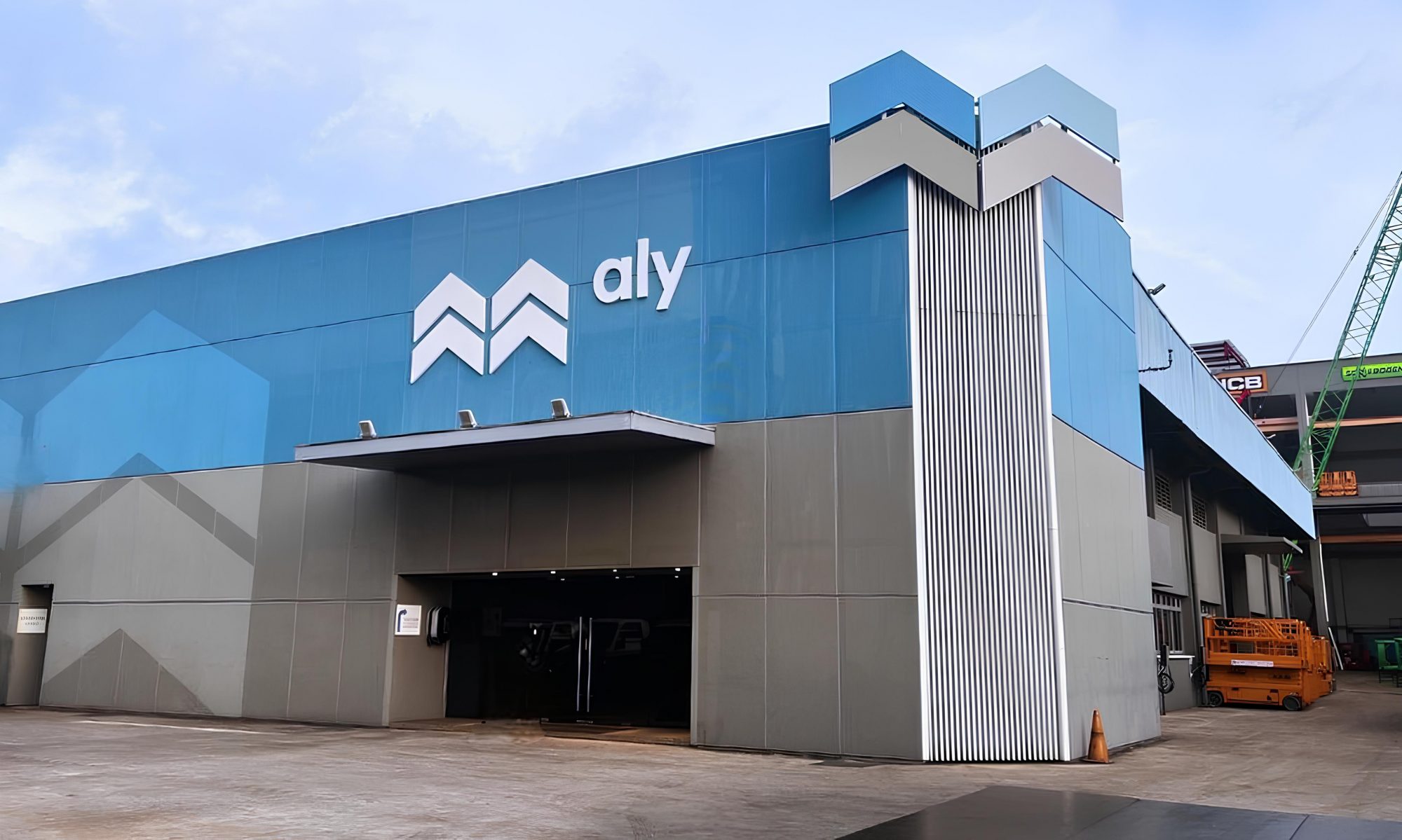
The Complete Guide to Access Equipment and Material Handling in Singapore: Choosing the Right Lifting and Access Solutions

boom lift rental singapore

Modern construction, maintenance and infrastructure projects in Singapore demand more than manpower and a tight schedule. Contractors must move heavy materials, reach elevated work areas and operate safely within increasingly restricted spaces.

The challenge is especially clear in Singapore, where occupied buildings, narrow access roads, indoor facilities or active industrial operations may surround worksites. Project teams also need to manage Workplace Safety and Health requirements, ground conditions, equipment certification and operator competency while keeping delays under control.

Choosing machinery one unit at a time is rarely the best approach. A more effective strategy is to assess the entire workflow, from unloading materials to positioning components and giving workers safe access for installation. Whether sourcing equipment through construction machinery rental or working with experienced construction equipment dealers, selecting the right machines for each phase of the project helps improve safety, productivity and overall site efficiency.

Four types of equipment play an important role in this process:

  • Boom lifts for elevated access with horizontal outreach
  • Scissor lifts for stable, straight vertical access
  • Telehandlers for moving and placing heavy materials
  • Spider cranes for precision lifting in confined spaces

Understanding how these machines differ—and how they can work together—helps contractors plan more efficient workflows, minimise downtime and improve overall project execution.

Why a Unified Access and Material Handling Strategy Is Vital for Singapore Projects

Access equipment and material handling machinery are often planned separately. However, both are part of the same site workflow.

Materials must first arrive, be unloaded and transported to the correct area. Components may then need to be lifted into position before workers can access the installation point. When each stage is planned independently, unsuitable equipment, scheduling conflicts and idle time can quickly appear.

A unified strategy allows project managers to match the machinery to the full sequence of work.

Optimising Workplace Safety and MOM Compliance

Working at height and conducting lifting operations introduce risks that must be controlled through proper planning, competent operators, suitable machinery and safe work procedures.

Mobile elevating work platforms, including boom lifts and scissor lifts, must be operated by trained and competent personnel. Operators should also be familiarised with the controls and operating characteristics of the specific model they are using. Applicable mobile elevating work platforms must be registered and examined according to Singapore’s lifting equipment requirements.

For hazardous work at height, companies may also need measures such as a fall prevention plan and permit-to-work system, depending on the workplace and nature of the activity. These requirements should be considered during equipment planning, rather than only when the machine arrives on site.

The right machine reduces unnecessary exposure to risk. For example, an articulating boom lift may allow a worker to reach over an obstruction without leaning outside the platform. A spider crane may provide a safer lifting arrangement in a narrow internal space where a larger crane cannot be properly positioned.

Equipment selection does not replace risk assessment, but it gives the project team a safer foundation for carrying out the work.

Maximising Footprint Efficiency on Tight Sites

Space is one of the biggest constraints on Singapore worksites.

A conventional crane may have the required lifting capacity but lack enough room for access, stabilisation or boom movement. A large forklift may move materials effectively outdoors but struggle inside a warehouse or industrial plant.

Compact equipment can make better use of restricted areas:

  • Electric scissor lifts can operate in indoor facilities with limited aisle space.
  • Articulating boom lifts can reach around machinery, pipework and structural obstacles.
  • Compact telehandlers can transport materials through congested areas while offering greater reach than standard forklifts.
  • Spider cranes can pass through restricted entry points before deploying their outriggers at the work location.

The goal is not always to select the smallest machine. It is to choose the most compact machine that can safely achieve the required height, reach and capacity.

Accelerating Project Timelines

A project can lose valuable time when materials reach the site but cannot be moved, or when installation crews are ready but lack appropriate access equipment.

A coordinated fleet helps the project move continuously from one stage to the next. A telehandler can unload and transport materials, a spider crane can hoist them into position, and an access platform can elevate workers for installation.

This reduces repeated mobilisation and prevents teams from waiting for machinery that should have been scheduled earlier. It also allows the rental period for each machine to be aligned with the correct project phase.

Deep Dive: Personnel Access Solutions for Working at Height

Boom lifts and scissor lifts are both mobile elevating work platforms, but they serve different working conditions.

The correct choice depends on more than the maximum platform height. Contractors should also consider horizontal outreach, obstacles, platform size, working load, ground conditions and whether the equipment will operate indoors or outdoors.

Boom Lift Rental: Reaching the Unreachable

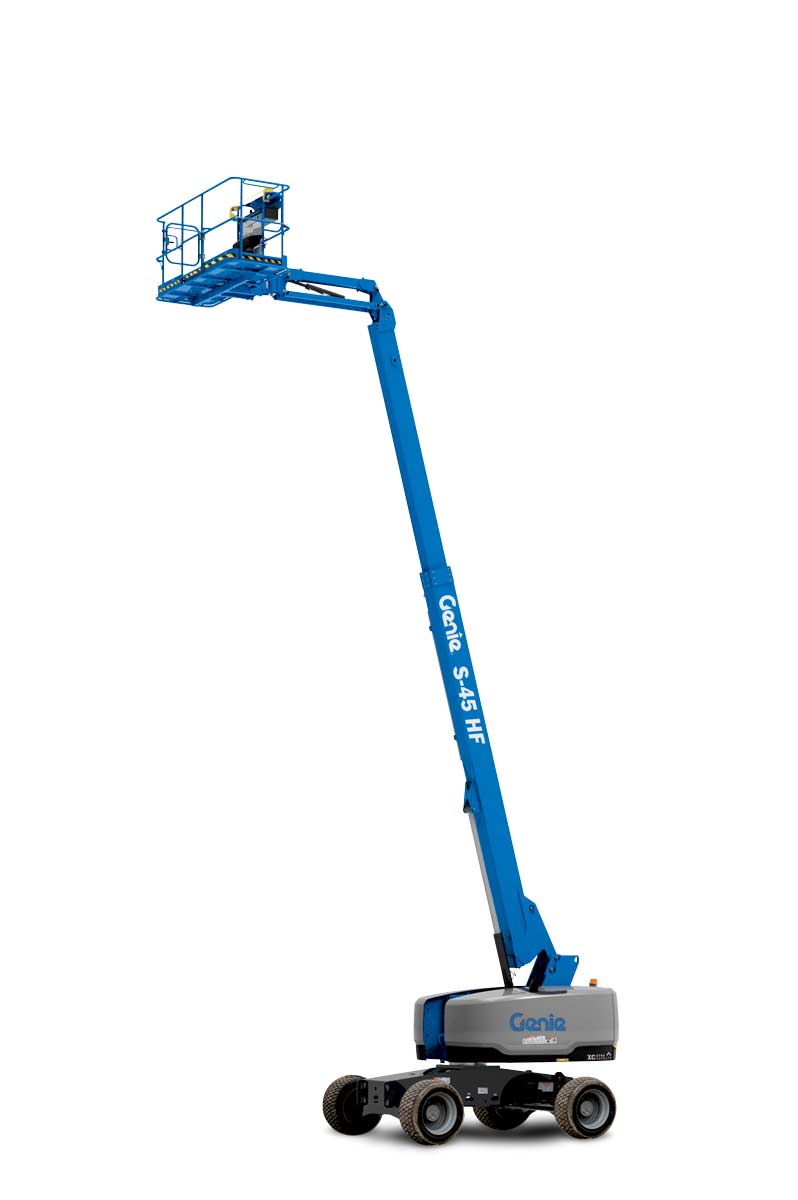
A boom lift is designed to raise workers while also providing horizontal or angled outreach. This makes it suitable when the work area is not positioned directly above the base of the machine.

Contractors considering boom lift rental in Singapore may choose between telescopic and articulating models.

A telescopic boom extends in a relatively straight line. It is useful when maximum outreach or height is required, and the route towards the work area is clear.

An articulating boom uses jointed sections that allow the platform to move up, over and around obstacles. This can be particularly useful in industrial facilities, where pipes, machinery or structures prevent direct access.

Boom lifts are commonly used for:

  • External facade inspection and maintenance
  • Structural steel installation
  • High-level mechanical and electrical work
  • Industrial plant servicing
  • Painting and repair work
  • Accessing areas above roofs, machinery or other obstacles

Their main advantage is positioning flexibility. Instead of placing the machine directly beneath the task, operators can approach from a suitable distance and extend the platform towards the work area.

Our boom lift fleet includes telescopic and articulating configurations, with electric and diesel options for different environments. Available models cover working heights from approximately 13.7 metres to more than 41 metres, allowing us to support both medium-height maintenance and demanding external works. 

Scissor Lift Rental: Maximising Platform Workspace

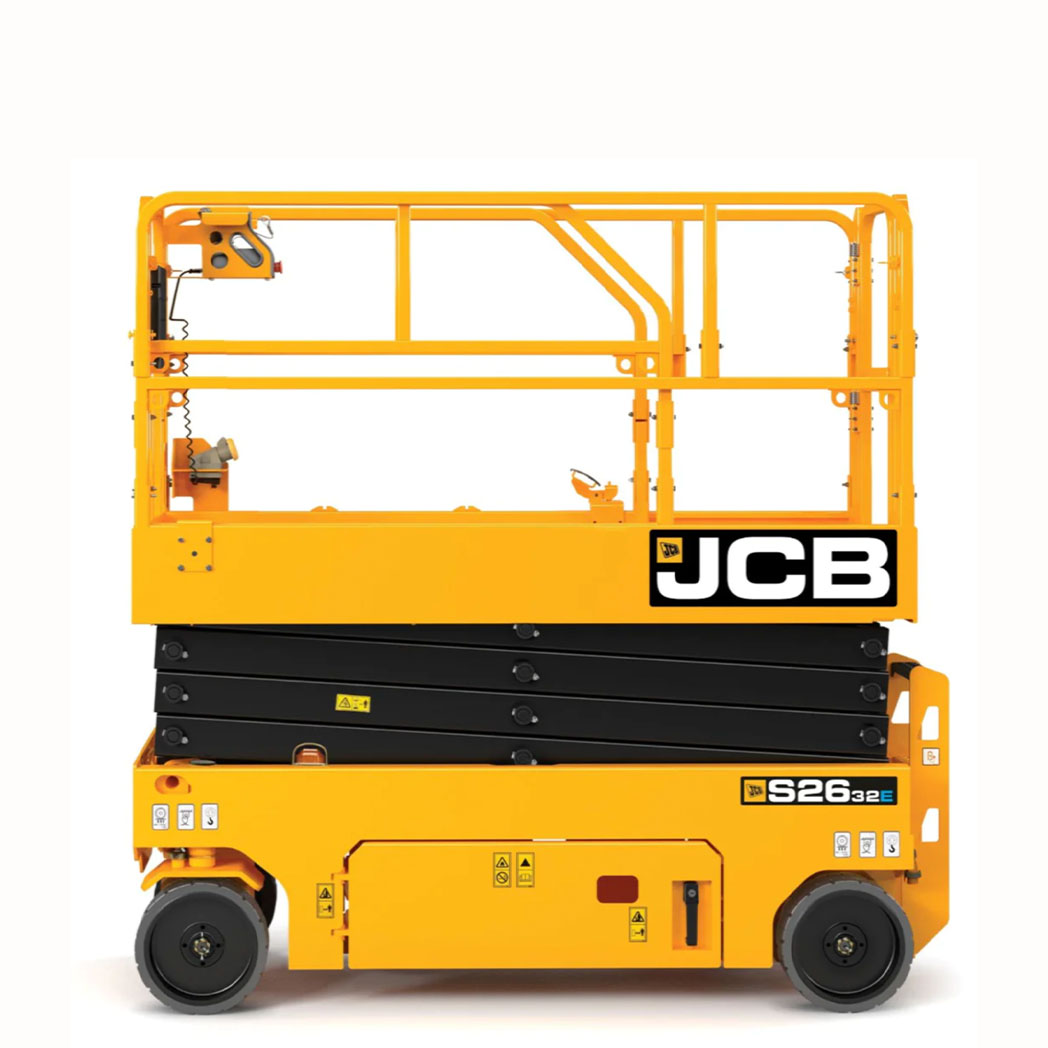
A scissor lift moves primarily in a straight vertical direction. It does not provide the same horizontal outreach as a boom lift, but it usually provides a larger platform and a stable working area.

This makes scissor lift rental in Singapore suitable for tasks where workers can position the machine directly below the work zone.

Common applications include:

  • Mechanical, electrical and plumbing installations
  • Ceiling works
  • Lighting replacement
  • Fire protection system installation
  • Warehouse maintenance
  • Retail and commercial fit-outs
  • Indoor inspection and servicing work

The wider platform may accommodate more than one worker, together with tools and materials, subject to the machine’s rated platform capacity. This can improve productivity for tasks that move systematically along a ceiling or wall.

Electric models are particularly suitable for indoor applications because they generally produce less operating noise and no exhaust emissions at the point of use. However, contractors must still assess ventilation, floor loading, gradients and surface conditions before deployment.

Our scissor lift range includes compact electric platforms for indoor maintenance and higher-reaching models for construction and industrial applications. 

Deep Dive: Material Handling and Heavy Lifting Solutions

Personnel access equipment raises workers. Material handling and lifting machinery move loads.

Confusing these functions can lead to unsafe improvisation. A machine should only perform lifting applications allowed by its design, approved attachments, load chart and applicable regulatory requirements.

Telehandlers: The Ultimate Site All-Rounder

A telehandler combines the mobility of a rough-terrain forklift with a telescopic boom. It can move loads around a worksite and place them at heights or distances that a standard forklift may not reach.

For contractors searching for a telehandler in Singapore, the main advantage is versatility.

Telehandlers are frequently used for:

  • Unloading palletised materials
  • Moving construction supplies across uneven ground
  • Placing materials on elevated floors
  • Handling structural components
  • Supporting logistics in large industrial areas
  • Loading and clearing materials using approved attachments

Unlike a standard forklift mast, the telescopic boom extends forwards and upwards. However, its lifting capacity changes according to the boom angle, extension and attachment used. The maximum rated capacity does not necessarily apply at full forward reach.

The load chart must therefore be reviewed for the exact lifting position. Operators must also account for ground stability, gradients, travel routes and the centre of gravity of the load.

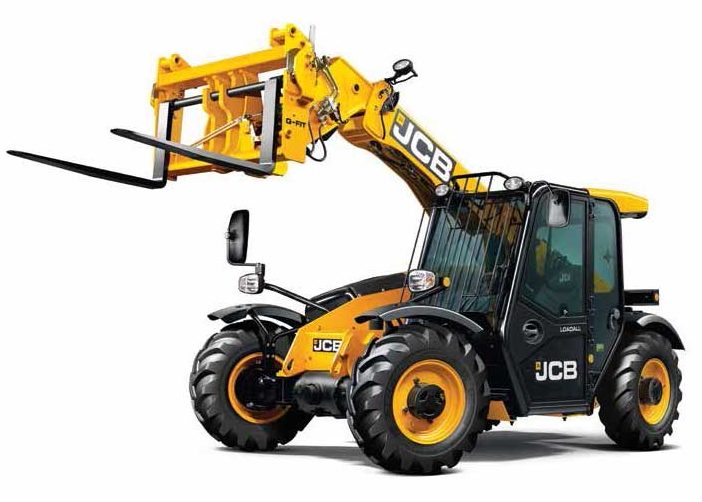
Our JCB Loadall telehandler options include compact models for restricted sites and larger units with lifting capacities of around 4,000 kg and lift heights reaching up to 17 metres, depending on the model. Approved attachments can also expand the machine’s usefulness across different project phases.

Spider Cranes: Heavy Lifting in Confined Spaces

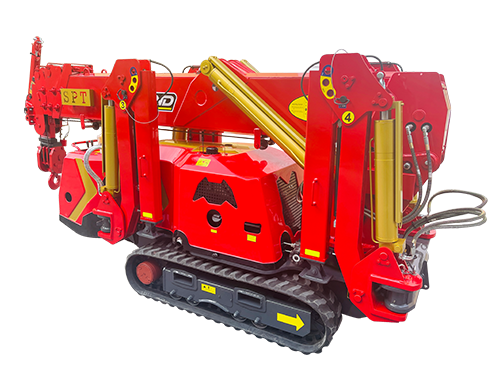
A spider crane is a compact crawler-mounted crane with extendable outriggers. Its transport dimensions allow it to enter areas that conventional mobile cranes may not be able to access.

Once in position, the outriggers extend around the machine to create a stable lifting footprint. Depending on the model and approved configuration, the outriggers may offer several setup positions to suit restricted environments.

A spider crane in Singapore can support:

  • Glass and glazing installation
  • Indoor plant maintenance
  • Machinery replacement
  • Shopping mall and hotel renovation
  • Rooftop lifting
  • Atrium installation work
  • Addition and alteration projects
  • Lifting within data centres and industrial facilities

Spider cranes are valued for precision rather than mobility with a suspended load. Their compact size and relatively low machine weight may make them suitable for some suspended slabs or indoor floors, but this should never be assumed.

The project team must calculate the total imposed load, including the machine, lifted load, outrigger reactions and any load-spreading materials. A qualified person should confirm whether the slab or floor can support the planned operation.

Our SPT mini spider crane range includes models with capacities from approximately 3 to 10 tonnes. The appropriate model depends on the load, working radius, boom configuration and outrigger setup.

Access vs Material Handling: How to Choose the Right Machinery

The following matrix provides a quick comparison:

Equipment TypePrimary FunctionMovement ProfileBest Project Environment
Boom liftPersonnel accessVertical and horizontal outreachHigh-altitude external work, facade access and awkward angles
Scissor liftPersonnel accessStraight vertical elevationIndoor installations and tasks requiring a wider platform
TelehandlerMaterial handlingForward reach and elevated material placementSite logistics, rough terrain and material transport
Spider cranePrecision hook liftingStationary lifting using a crane boomConfined spaces, indoor work and rooftop lifting

Note: The table is a starting point, not a substitute for a site assessment.

Before making a final selection, confirm:

  • Required working height
  • Required horizontal reach
  • Load weight and dimensions
  • Ground or floor capacity
  • Access width and height
  • Turning radius
  • Indoor or outdoor conditions
  • Terrain and gradients
  • Operator requirements
  • Available setup space
  • Relevant registration and examination documents

Why Equipment Rental Outperforms Purchasing for Singapore Contractors

Purchasing can make sense when equipment will be used continuously, and the company has the resources to manage storage, maintenance and compliance.

For project-based or changing requirements, however, rental often provides greater flexibility.

  1. Mitigating High Capital Expenditure

Heavy machinery comes with high upfront costs, along with expenses for financing, insurance, storage, servicing and repairs. Rental turns these costs into a project-based expense, helping contractors preserve cash for manpower, materials and other priorities.

  1. Access to Equipment for Each Project Phase

Equipment needs often change throughout a project. A telehandler may support early-stage logistics, followed by a spider crane for precision lifting and access equipment for installation works.

Rental allows contractors to adjust the fleet as the project progresses instead of relying on one machine for unsuitable tasks.

  1. Reduced Maintenance Burden

A reliable rental partner handles routine servicing, pre-hire checks and equipment records. However, contractors must still ensure that operators are competent, site conditions are suitable and safe work procedures are followed.

Real-World Synergy: How These Four Machines Work Together

Consider the retrofitting of an occupied commercial or industrial facility.

Large cladding panels, steel supports and electrical components arrive at the delivery area. The installation locations include an internal atrium, high ceilings and an external facade.

The equipment could be coordinated as follows:

  • Telehandler: It unloads palletised materials and structural components before transporting them across the external worksite.
  • Spider crane: It enters the restricted atrium and deploys its outriggers within the approved setup area. The crane then hoists steel frames or glazing panels into position.
  • Scissor lift: It raises the internal installation team so workers can secure fixtures, connect services and complete ceiling-level work from a stable platform.
  • Boom lift: It provides external access to facade areas that cannot be reached vertically from directly below.

Each machine performs a defined role. The result is a cleaner workflow with fewer improvised lifts, less waiting time and better coordination between logistics and installation teams.

Common Pitfalls to Avoid When Selecting Access and Lifting Equipment

Underestimating Weight and Outreach Limits

Lifting capacity can decrease as the boom extends, the working radius increases, or attachments are added. Do not rely on headline capacity alone. Always check the load chart for the planned lift.

Overlooking Ground and Floor Conditions

Soft ground, voids and suspended slabs can affect stability. Assess machine weight, track or wheel pressure, outrigger loads and the lifted load before setup. Load-spreading mats can help, but they cannot make an unsuitable surface safe.

Choosing Equipment Based on Price Alone

The cheapest machine may cost more if it cannot access the site, reach the work area or handle the load. Paying slightly more for the right equipment can reduce delays, repositioning and extra mobilisation.

Miscalculating Indoor Clearance

Check more than door width. Consider height, corridor space, turning radius, ramps, overhead services and setup room. A machine may enter the building but still be unable to turn or operate safely.

Frequently Asked Questions

When should I choose a boom lift over a scissor lift?

Choose a boom lift when the work area requires horizontal outreach or access over an obstacle. Choose a scissor lift when the machine can be positioned directly below the task, and a larger, stable working platform is preferred.

What makes a telehandler different from a standard forklift?

A standard forklift primarily raises loads using a vertical mast. A telehandler uses a telescopic boom that can extend upwards and forwards. This gives it greater reach, although capacity changes according to the boom position and attachment.

Can a spider crane be safely operated indoors or on suspended slabs?

It may be possible, but only after assessing access, ventilation, floor capacity, outrigger reactions and the complete lifting plan. A structural assessment may be required for suspended slabs. The crane must not be deployed based on machine weight alone.

What certifications are required to operate lifting and access equipment in Singapore?

Requirements depend on the equipment and application. Mobile elevating work platform operators must be trained and competent for the relevant equipment type and familiarised with the specific model. Statutory lifting equipment may also require MOM registration and periodic examination. Contractors should verify the latest requirements for the machine and planned work activity before deployment. 

Is it more cost-effective to rent access equipment for long-term projects?

It can be, particularly when the rental includes servicing and the equipment will not be needed after the project. For very long or continuous use, contractors should compare the total rental cost against purchase, financing, maintenance, storage, depreciation and resale value.

Why Aly Energy Is Singapore’s Trusted Partner for Access and Material Handling

A Fleet for Access, Lifting and Logistics

At Aly Energy, we support construction, industrial, marine and infrastructure projects with equipment for every stage of site work. Contractors can source boom lifts, scissor lifts, telehandlers and spider cranes from one team, alongside crawler cranes, generators, tower lights and compaction equipment.

Strong Focus on Safety and Compliance

We conduct pre-hire inspections and maintain our equipment for reliable use on Singapore worksites. We also provide relevant equipment information and documentation to support project planning. Contractors remain responsible for competent operators, safe deployment and site control.

Expert Technical Guidance for Complex Projects

Selecting machinery is not simply a matter of choosing the highest capacity. Our team can help contractors evaluate:

  • Load charts
  • Working height and outreach
  • Site access
  • Ground and floor conditions
  • Equipment dimensions
  • Outrigger requirements
  • Indoor operating restrictions
  • Suitable models and attachments

This technical guidance is especially valuable when several machines must work together or when the site presents unusual access and lifting constraints.

Build a Safer, More Efficient Site with the Right Equipment Mix

Successful projects rely on the right balance of access and material handling equipment. Boom lifts provide flexible outreach, scissor lifts offer stable vertical access, telehandlers move heavy materials, and spider cranes handle precision lifting in confined spaces.

By coordinating these machines across each project phase, contractors can improve efficiency, reduce downtime and support safer operations.

At Aly Energy, we help project teams choose the right equipment based on site conditions, lifting requirements and working heights. Partner with us to plan the right access, lifting and material handling solutions for your next Singapore project.
 

How Compaction and Material Handling Equipment Improve Construction Operations in Singapore

telehandler singapore

A telehandler in Singapore can make a major difference on construction sites where materials need to be lifted, moved and placed across tight, uneven or fast-changing work areas. But efficient site operations do not start with material handling alone. Before heavy loads can move safely across a project site, the ground must be properly prepared, compacted and made stable enough to support machinery, workers and structural works.

In Singapore, contractors often deal with restricted footprints, tight schedules, limited storage space and strict safety expectations. A site may need to prepare soil or sub-base layers in one phase, then shift quickly into lifting pallets, steelwork, precast elements, M&E equipment or construction materials in the next. Poor ground preparation can slow down machine movement, while weak material handling workflows can delay trades that are ready to proceed.

That is why compaction equipment and telehandlers should be viewed as part of the same operational strategy. Compaction supports safer, more stable ground conditions. Telehandlers support efficient material movement and elevated placement. When both are planned properly, your site runs with fewer bottlenecks and better control from earthworks to structural completion.

Why Construction Sites Need Specialised Site Preparation and Handling Solutions

Modern construction and infrastructure projects need equipment that can handle more than one type of challenge. The ground must be stable enough for machinery, while materials must move quickly to the right location without creating unnecessary manual handling risks.

Supporting Productivity Across Different Project Phases

Construction productivity depends on how smoothly each phase connects to the next. Compaction equipment helps prepare soil, gravel, asphalt and sub-base layers so follow-on works can begin on stable ground. Telehandlers then help move materials across the site and lift them to elevated staging areas, reducing waiting time between deliveries, storage and installation.

This matters across infrastructure, commercial and industrial projects. A roadwork site, warehouse development and multi-storey building may look different, but all three rely on stable access routes and efficient material flow.

Improving Safety on Active Worksites

Ground instability can create settlement, uneven surfaces and machinery movement risks. Proper compaction reduces voids in soil or aggregate layers, improving load-bearing performance before heavier work begins.

Material handling also affects safety. A telehandler reduces the need for workers to manually move heavy or awkward loads across the site. With proper planning, it can place materials closer to the work area and reduce repeated lifting, carrying and repositioning by hand.

Reducing Operational Challenges

Site delays often happen when equipment is not matched to the work sequence. If the ground is not ready, machines cannot move safely. If materials cannot be transported efficiently, workers spend more time waiting than building.

Using the right compaction and handling equipment helps reduce these bottlenecks. It improves structural durability, keeps access routes more reliable and supports smoother movement of materials across constrained work areas.

Understanding Compaction Equipment for Ground Preparation

Compaction equipment prepares the ground before it carries structural loads, vehicle movement or construction activity. It helps create a denser, stronger and more stable surface, which makes later work safer and more predictable.

What Is Compaction Equipment?

Compaction equipment is used to remove air pockets from soil, gravel, asphalt and other base materials. By increasing density, it improves load-bearing capacity and reduces the risk of settlement, rutting or surface failure.

This is especially important before road paving, foundation works, trench reinstatement, hardstanding areas and machinery access routes. Poorly compacted ground may look ready at first glance, but it can fail once weight, vibration and repeated traffic are introduced.

Common Types of Compaction Equipment

Different compaction machines suit different ground conditions and work areas.

  • Plate Compactors: Best for small work areas, patching jobs, landscaping, reinstatement works and tight construction spaces where larger rollers cannot operate.
  • Vibratory Tandem Rollers and Soil Compactors: Suitable for roadworks, sub-base compaction, asphalt surfaces and larger open areas that need consistent compaction across wider sections.
  • Rammer Compactors: Useful for trenches, pipeline works and narrow soil spaces where deeper, more focused compaction is needed.

Why Compaction Equipment Matters in Singapore Construction

Singapore projects often operate within dense urban areas, existing estates and infrastructure corridors. Weak ground preparation can lead to settlement, pavement shifting, uneven surfaces and rework.

Proper compaction helps support building foundations, temporary access routes, road surfaces and work platforms. It also helps teams meet project specifications and engineering requirements before heavier machinery or structural works continue.

Telehandler Solutions for Flexible Material Movement

Once the site is prepared, materials still need to move safely and efficiently. This is where telehandlers become valuable. They combine lifting height, forward reach and rough-terrain mobility in one machine, making them useful for construction sites with limited access and changing layouts.

What Is a Telehandler?

A telehandler, also called a telescopic handler, is a versatile machine that combines features of a forklift and a small crane. It can lift, carry and place loads using an extendable boom, giving it a forward reach that a standard forklift does not offer.

This makes it useful when materials need to be placed over barriers, onto elevated decks, across uneven surfaces or into areas that are difficult to approach directly.

Common Applications of Telehandlers

Telehandlers are useful across multiple project environments because they can move materials and support lifting tasks within the same site.

  • Construction Sites: Used for offloading materials, shifting pallets, lifting building components and placing loads onto elevated staging platforms.
  • Industrial and Infrastructure Projects: Helps move bulky materials across rough, unpaved or partially prepared terrain.
  • Warehouse and Logistics Yards: Support outdoor stacking, material movement and loading operations where height and reach are useful.

Why Telehandlers Are Crucial for Singapore Projects

Singapore worksites often have tight access routes, temporary storage constraints and limited manoeuvring space. A telehandler helps because it can reach forward over obstructions, position materials more accurately and reduce unnecessary repositioning.

Many telehandlers also offer steering modes that improve manoeuvrability in narrow spaces. For urban construction sites, industrial yards and infrastructure works, that agility can save valuable time.

The JCB Advantage: Why Fleet Uniformity Matters on Site

Using machinery from a consistent brand family can make site management easier. JCB Loadall telehandlers and JCB compaction equipment are built for different tasks, but they can support a more coordinated fleet strategy when used together.

Maximised Operator Familiarity and Control Mechanics

Operators work faster and safer when controls feel familiar. Standardised cabin layouts, clear visibility and consistent design logic can reduce the learning curve when operators move between machines.

This does not remove the need for proper training, but it can make daily operation smoother. Familiar controls help operators focus on site conditions, load movement and task accuracy instead of constantly adapting to unfamiliar machine behaviour.

Streamlined On-Site Support and Fleet Management

A more unified fleet can simplify servicing, parts planning and technical support. When equipment comes from the same brand ecosystem, maintenance teams and suppliers can manage documentation, spare parts and service requirements more efficiently.

For contractors, this means fewer moving parts in the support process. One local dealer relationship can help coordinate machine advice, servicing, parts and rental or sales support across multiple equipment categories.

Choosing Between Different Construction Equipment Options

Compaction equipment and telehandlers serve different purposes, but they often support the same project outcome: a safer, more efficient construction site.

Equipment TypeMain PurposeCore AdvantageBest Applied Phase
JCB Compaction EquipmentIncreasing soil density and ground stabilityHelps reduce settlement risk and improves load-bearing performanceEarthworks, sub-base preparation and road paving
JCB TelehandlerLifting, transporting and placing heavy materialsStrong forward outreach and rough-terrain versatilityStructural builds, material logistics and elevated installations

How to Select the Right Equipment for Your Project

The right machine depends on your site layout, ground condition, load requirement and project timeline. A good equipment decision starts with how the work will actually happen on-site.

Evaluate Site Requirements and Footprint

Start with the available space. Check access widths, turning areas, storage zones, ground surfaces and work sequencing. Compact sites may need smaller machines, while larger infrastructure projects may need equipment with higher capacity and greater coverage.

Understand Machine Load and Reach Capabilities

For telehandlers, confirm load weight, lift height and forward reach. A machine may lift a certain weight close to the body, but the capacity changes as the boom extends. For compaction equipment, match machine size and compaction force to the material type, depth and required finish.

Consider Project Duration

Short-term work may suit rental because the equipment is only needed for a specific phase. Longer projects may need a more planned fleet arrangement, especially if compaction, lifting and material movement continue across several stages.

Prioritise Premium Safety Features

Look for features that support safer operation, such as ROPS and FOPS cabins, load management systems, clear operator visibility, stable machine design and accessible controls. These details help protect operators and improve worksite confidence.

Rental vs Ownership: Finding the Right Equipment Approach

Renting and buying both have their place. The right approach depends on utilisation, project pipeline, capital budget and maintenance capability.

Benefits of Renting Heavy Equipment

Rental helps you avoid high upfront capital expenditure and gives you flexibility as the project moves from ground preparation to vertical construction. You can bring in compaction equipment during earthworks, then shift to telehandlers when material movement becomes the priority.

This approach also reduces long-term storage, transport and maintenance responsibilities, which matters in land-scarce Singapore.

When Equipment Ownership May Be Suitable

Ownership may suit companies that use the same equipment continuously across multiple projects. If your team has the maintenance capability, storage space and confirmed workload to keep the machine productive, buying can deliver long-term value.

Why Flexible Fleet Solutions Benefit Contractors

Flexible fleet planning helps contractors avoid underused equipment. It also allows you to match machinery to each project phase instead of relying on a fixed fleet that may not suit changing site needs.

Common Mistakes When Selecting Construction Equipment

Choosing the wrong equipment can lead to delays, safety risks and avoidable costs. Watch out for these common mistakes:

  • Skipping site terrain checks: Ground conditions affect compaction, machine movement and load stability. Assess soil, slopes, access routes and working surfaces before choosing equipment.
  • Focusing only on the lowest price: A cheaper machine can cost more if it causes downtime, requires extra transport or lacks the right capacity for the job.
  • Ignoring support and maintenance history: Reliable servicing, spare parts availability and technical support matter when equipment is working under pressure.
  • Choosing the wrong capacity or reach: Undersized equipment can slow the project down, while oversized machinery may be harder to manoeuvre or justify financially. Match the machine to the actual task.

Frequently Asked Questions

What is compaction equipment used for?

Compaction equipment is used to increase the density of soil, gravel, asphalt or sub-base materials. It helps improve ground stability and reduce settlement or surface failure.

What is a telehandler used for?

A telehandler is used to lift, move and place materials across construction, industrial, infrastructure and logistics sites. Its extendable boom allows it to reach higher and further than a standard forklift.

How is a JCB telehandler different from a standard forklift?

A JCB telehandler has an extendable boom, giving it forward reach and higher placement capability. A standard forklift mainly lifts vertically and works best on flatter, more predictable surfaces.

Why is choosing single-brand machinery like JCB beneficial for a job site?

Single-brand machinery can simplify operator familiarity, servicing, parts support and fleet coordination. It can also make communication with the equipment provider more efficient.

What type of compacting machine is best for tight trench environments?

Rammer compactors are usually suitable for tight trench environments because they provide focused compaction in narrow or confined soil spaces.

Is renting construction equipment more cost-effective than buying in Singapore?

Rental is often more cost-effective for project-based use, changing site needs or short-term phases. Buying may suit companies with high utilisation across multiple confirmed projects.

Why Aly Energy Is Singapore’s Trusted Partner for JCB Construction Equipment

At Aly Energy, we support Singapore businesses with JCB construction equipment solutions for material handling, ground preparation, construction, industrial and infrastructure projects. Our role goes beyond equipment supply. We help you select machinery that fits your site conditions, project duration and operational requirements.

  • Official JCB Equipment Solutions Provider: We supply JCB Loadall telehandlers and compaction equipment for businesses that need reliable machinery support in Singapore.
  • Flexible Rental and Sales Terms: We offer options that support different project timelines, budgets and equipment requirements.
  • Maintenance and Technical Support: Our team supports equipment performance through servicing, technical assistance and genuine spare parts management.

Conclusion

Successful construction work depends on two things happening well: stable ground preparation and efficient material movement. Compaction equipment helps create the foundation for safer site activity, while a telehandler in Singapore helps move and place materials with better reach, control and productivity.

When both equipment types are selected properly, your site can move from earthworks to structural and installation phases with fewer delays. Connect with Aly Energy to secure the right JCB telehandler or compaction solution for your next construction, infrastructure or industrial project.


Boom Lift Rental Singapore: The Complete Guide to Choosing the Right Access Equipment

boom lift rental Singapore

A boom lift gives your team safer and more flexible access to elevated work areas, especially when ladders, scaffolds or fixed platforms cannot provide the reach, stability or positioning needed. In Singapore, where construction sites, commercial buildings, warehouses and industrial facilities often have space limitations, choosing the right access equipment can directly affect productivity and workplace safety.

Work-at-height tasks are rarely simple. You may need to reach across an obstruction, work beside a building façade, access ceiling services, inspect high-level equipment or maintain lighting systems above active work areas. A boom lift helps you position workers and tools at height with better control, reducing the need for slow manual access methods.

For many businesses, boom lift rental is a practical option because it gives access to suitable equipment without long-term ownership costs. This guide explains how boom lifts work, where they are commonly used, how to choose the right model and what to look for in a rental provider.

What Is a Boom Lift and How Does It Work?

A boom lift is a type of mobile elevated work platform used to lift workers, tools and light materials to elevated areas. It uses an extendable boom arm connected to a work platform, allowing operators to reach heights and positions that are difficult to access from the ground.

Understanding Boom Lift Technology

A boom lift uses a hydraulic lifting system to raise, lower and extend the boom arm. The operator stands on an elevated platform or basket and controls movement from the platform. Depending on the model, the boom may extend straight outward, bend around obstacles or rotate to improve positioning.

How Boom Lifts Differ From Traditional Access Equipment

Traditional access equipment, such as ladders or scaffolds, may give height, but they offer limited reach and slower repositioning. A boom lift provides greater reach flexibility and better positioning capability, especially when workers need to access areas above, across or around obstacles. This makes it suitable for complex work areas where fixed access is not practical.

Main Components of a Boom Lift

The main components include the platform or basket, boom arm, base and mobility system, hydraulic controls and safety systems. The platform carries workers and tools; the boom arm provides reach, and the base allows movement around the site. Safety controls help manage platform movement, load limits and emergency lowering.

Why Boom Lift Rental Singapore Is Popular Among Businesses

Boom lift rental Singapore services are popular because many projects need access equipment only for a specific task, location or project phase. Instead of buying and maintaining a machine long-term, rental gives you the right equipment when the work calls for it.

  • Reduces Equipment Investment Costs: Rental helps you avoid the high upfront cost of buying a boom lift, especially for short-term or occasional work.
  • Provides Access to Different Equipment Types: You can choose the right model based on working height, horizontal reach, terrain, indoor conditions and power type.
  • Minimises Maintenance Responsibilities: Servicing and equipment upkeep are usually handled by the rental provider, reducing the burden on your internal team.
  • Supports Short-Term and Long-Term Projects: Rental can support one-day tasks, weekly work, or longer project periods, depending on site requirements.

Common Applications of Boom Lifts in Singapore

Boom lifts are widely used when workers need safe elevated access with flexible positioning. In Singapore, they are especially useful across construction, maintenance, commercial and infrastructure environments.

  • Construction and Building Projects: Used for structural works, façade installation, steel works, cladding, painting, inspection and external building maintenance.
  • Industrial and Warehouse Operations: Useful for equipment inspection, facility repairs, racking maintenance and high-level servicing.
  • Electrical and Mechanical Works: Supports cable installation, lighting replacement, ducting, pipework and HVAC maintenance.
  • Commercial Building Maintenance: Helps with signage installation, cleaning, repair works and ceiling-level maintenance in malls, offices and mixed-use properties.
  • Infrastructure and Public Projects: Supports roadside maintenance, utility works, lighting systems, transport facilities and public infrastructure upkeep.

Types of Boom Lifts Available for Different Project Needs

Boom lifts are not all built for the same job. The right choice depends on reach direction, working height, site terrain and whether the work happens indoors or outdoors.

Structural Types Based on Mechanism and Movement

Structural type refers to how the boom arm moves. Some boom lifts are designed for straight reach, while others are built to move around obstacles.

  1. Articulating Boom Lift

An articulating boom lift has a jointed arm that can move over, under and around structures. It is suitable for complex access requirements, especially when workers need to reach behind obstacles, around corners or into areas with limited direct access.

Key feature: jointed arm design for flexible positioning around structures.

  1. Telescopic Boom Lift

A telescopic boom lift uses a straight, extendable arm for long vertical and horizontal reach. It is ideal for high-reach applications where the work area is further away from the machine base.

Key feature: straight extendable arm for maximum height and reach from a distance.

Power Types Based on Fuel and Environment

Power type affects where the boom lift can be used. Indoor and outdoor sites have different needs for noise, emissions, terrain and runtime.

  1. Electric Boom Lift

An electric boom lift suits indoor environments or sensitive sites where low-noise and zero-emission operation matter. It works well in warehouses, malls, offices, airports and enclosed facilities with suitable floor conditions.

Key feature: quiet, zero-emission performance for enclosed or noise-sensitive sites.

  1. Diesel Boom Lift

A diesel boom lift suits outdoor construction environments and rougher terrain. It usually offers stronger performance for uneven ground, longer operating hours and heavy-duty site conditions.

Key feature: heavy-duty engine power, often paired with rough-terrain capability for outdoor worksites.

Key Benefits of Using a Boom Lift for Work at Height

A boom lift improves how your team reaches, positions and completes elevated tasks. Its value comes from safer access, better movement and reduced setup time.

  • Improved Worker Safety: A guarded work platform gives workers a safer and more stable place to operate compared with ladders for extended high-level tasks.
  • Faster Completion of Elevated Tasks: Operators can raise, lower and reposition the platform quickly, helping teams complete work with fewer interruptions.
  • Better Access to Difficult Areas: Boom lifts can reach over obstacles, around structures and across gaps where fixed access may not work.
  • Increased Work Accuracy and Productivity: Better platform positioning helps workers complete installation, repair and inspection tasks with more control.
  • Reduced Need for Temporary Structures: Boom lifts can reduce reliance on scaffolding for short-duration or moving work.
  • Flexible Mobility Around Work Sites: Mobile bases allow the machine to move between work areas, reducing repeated setup requirements.

Boom Lift vs Other Access Equipment: Which One Should You Choose?

Each access method has its place. A boom lift is often the better choice when you need height and flexible positioning. Scaffolds may suit longer-duration fixed works, while ladders should be limited to simple, low-risk tasks.

Boom Lift vs Scissor Lift

A scissor lift moves vertically and is useful when workers need a stable platform directly above the base. A boom lift provides vertical and horizontal reach, making it better for accessing areas across obstacles or at awkward angles.

Boom Lift vs Scaffold Systems

Scaffolding can support long-term access across a wider work face, but it takes more time to install and dismantle. Boom lifts are faster to deploy and better suited for short-duration, moving or targeted tasks.

Boom Lift vs Ladders

Ladders are suitable only for simple, short tasks at limited height. A boom lift provides better stability, platform space and positioning control for more demanding work-at-height activities.

FeatureBoom LiftScaffoldLadder
Height AccessHighMedium to HighLimited
MobilityExcellentLowHigh
Setup TimeFastLongerFast
Safety ControlHighMediumLower
Best ForComplex elevated tasksLong-term fixed accessSmall, simple tasks
Horizontal ReachStrongLimitedVery limited
Platform SpaceModerateHighLow
RepositioningFastSlowFast, but limited

How to Select the Right Boom Lift Rental in Singapore

Choosing the right boom lift rental starts with the work area, not the rental rate. A cheaper model can cost more if it cannot reach the job safely or causes delays on-site.

Determine Required Working Height

Measure the actual height workers need to reach, not just the height of the building or structure. Add enough allowance for a safe working position and platform movement.

Evaluate Horizontal Reach Requirements

If the work area is not directly above the machine base, horizontal reach becomes important. This is where telescopic or articulating boom lifts can make a major difference.

Consider Indoor or Outdoor Usage

Indoor projects usually need low-noise, zero-emission electric models with suitable floor protection. Outdoor sites may require diesel models with rough-terrain capability and longer runtime.

Check Ground Conditions

Review whether the surface is flat, uneven, paved, tiled, soft or sloped. Ground conditions affect machine stability, tyre type, movement and safe positioning.

Review Weight Capacity Requirements

Check the combined weight of workers, tools and materials on the platform. Exceeding load limits affects safety and machine performance.

Understand Project Duration

Rental duration affects cost and availability. Confirm whether you need the boom lift for a few hours, several days, weeks or a longer project period.

Safety Guidelines When Operating a Boom Lift

Safe boom lift operation depends on proper planning, trained operators and consistent equipment checks. Before work starts, your team should understand the site risks, machine limits and required safety controls.

  • Conduct Site Risk Assessment: Check ground conditions, nearby structures, overhead cables, traffic flow, pedestrians, slopes and weather exposure before positioning the boom lift.
  • Ensure Proper Operator Training: Only trained and authorised personnel should operate the equipment and understand its controls, limits and emergency procedures.
  • Inspect Equipment Before Use: Check tyres, controls, alarms, guardrails, emergency stops, hydraulic systems and platform condition before operation.
  • Follow Load Capacity Limits: Do not overload the platform with workers, tools or materials, as this can affect stability and safe operation.
  • Use Proper Personal Protective Equipment: Workers should use suitable PPE such as harnesses, helmets, safety footwear, gloves and eye protection where required.
  • Maintain Safe Operating Distance: Keep clear of overhead services, building edges, traffic routes and unstable surfaces to reduce contact, tipping and entrapment risks.

Factors Affecting Boom Lift Rental Cost in Singapore

Boom lift rental cost depends on the machine type, rental period and site requirements. Understanding these cost factors helps you plan your budget more accurately.

  • Equipment Type and Size: Higher-reach models, rough-terrain machines and specialised boom lifts usually cost more than smaller indoor units.
  • Rental Duration: Longer rentals may offer better daily value, while short rentals can be affected by delivery, collection and mobilisation costs.
  • Required Working Height: Taller machines are often more specialised, which can affect both availability and rental pricing.
  • Transportation Requirements: Delivery and collection costs depend on equipment size, site location, access route and transport planning.
  • Site Accessibility: Restricted access, tight loading areas, after-hours delivery or special site requirements may affect the final rental cost.
  • Additional Operator or Support Requirements: Projects that need operators, technical support, site coordination or safety planning may involve additional charges.

What Makes a Reliable Boom Lift Rental Provider in Singapore?

A reliable boom lift rental provider should help you choose the right access equipment, not simply send the nearest available machine. The provider’s support affects safety, productivity and downtime.

  1. Well-Maintained Equipment Fleet

Equipment should be inspected, serviced and ready for site use. A well-maintained fleet reduces the risk of breakdowns during critical work.

  1. Availability of Different Boom Lift Models

Different jobs need different heights, power types and reach capabilities. A good provider should offer suitable options for indoor, outdoor, high-reach and obstacle-access tasks.

  1. Fast Equipment Delivery Support

Timely delivery matters when work schedules are tight. Local support helps reduce delays and improves coordination with site access windows.

  1. Technical Guidance Before Rental

The provider should help you assess working height, horizontal reach, ground conditions, load capacity and indoor or outdoor requirements before confirming the rental.

  1. Strong Safety Standards

Safety documentation, inspection processes and proper handover support help your team operate the equipment with greater confidence.

  1. Experience in Construction and Industrial Projects

A provider with relevant site experience can better understand common access challenges in Singapore’s construction, maintenance, warehouse and industrial environments.

Why Choose Aly Energy for Boom Lift Rental in Singapore?

At Aly Energy, we provide boom lift rental Singapore solutions for construction, industrial, commercial and maintenance projects. Our range includes telescopic and articulating models for different access needs, including indoor and outdoor elevated work. With practical rental options, technical guidance and well-maintained equipment, we help you select a boom lift that suits your working height, reach, site conditions and project schedule.

Frequently Asked Questions About Boom Lift Rental in Singapore

What is a boom lift used for?

A boom lift is used to lift workers, tools and light materials to elevated areas for installation, inspection, repair, cleaning and maintenance work.

How high can a boom lift reach?

It depends on the model. Aly Energy’s listed boom lift range includes models with maximum heights from around 13m to over 40m, depending on the equipment type.

What industries use boom lifts?

Boom lifts are commonly used in construction, building maintenance, warehousing, industrial facilities, infrastructure works, M&E projects and commercial property management.

Is boom lift rental cheaper than buying equipment?

Yes, rental is usually more cost-effective for short-term projects, occasional use or jobs with changing access requirements.

Can boom lifts be used indoors?

Yes. Electric boom lifts are often suitable for indoor use because they operate with lower noise and zero emissions, provided the floor and access conditions are suitable.

What type of boom lift is suitable for construction work?

Diesel boom lifts or rough-terrain boom lifts are often suitable for outdoor construction sites. The right choice depends on working height, ground condition, reach and site access.

Do boom lift rental companies provide equipment delivery?

Most rental providers can arrange delivery and collection. Aly Energy provides delivery and collection of rental machinery to project sites across Singapore, including Tuas, Jurong, Woodlands, Changi and city-centre locations.

How do I choose the right boom lift for my project?

Start with working height, horizontal reach, indoor or outdoor use, ground conditions, platform capacity and project duration. A rental provider can help match the right model to your site requirements.

Conclusion

A boom lift helps Singapore businesses work safely and efficiently at height without relying on long setup times or long-term equipment ownership. For construction, maintenance, industrial and commercial projects, the right boom lift can improve access, reduce disruption and keep elevated tasks moving.

Choosing the right boom lift rental partner matters just as much as choosing the machine. Aly Energy provides dependable boom lift rental solutions for different project requirements, with support for equipment selection, delivery and technical guidance. Visit our website to explore our boom lift rental options in Singapore.


Telescopic Crawler Crane Singapore: The Ideal Lifting Solution for Restricted and Challenging Job Sites

Telescopic Crawler Crane Rental Singapore

A telescopic crawler crane in Singapore gives contractors and industrial teams a practical way to lift heavy loads on sites where space, ground conditions and access routes are not always friendly. In Singapore, many projects happen within dense urban areas, active industrial zones, confined workspaces or uneven ground. You need lifting equipment that can move, stabilise and perform without slowing the entire site down.

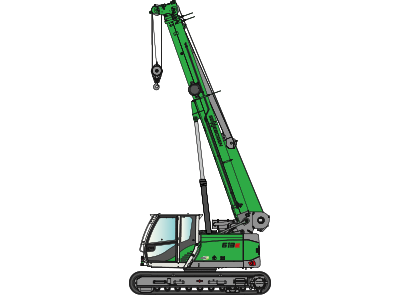
This is why telescopic crawler cranes are increasingly used across construction, civil engineering, infrastructure, plant maintenance and industrial projects. They combine the reach of a telescopic boom with the stability and mobility of crawler tracks, making them suitable for jobs where conventional mobile cranes may struggle.

In this guide, you will learn how telescopic crawler cranes work, why they suit Singapore job sites, when a mini crawler crane makes sense, what affects rental cost, and how to choose the right crane supplier in Singapore for your project.

What Is a Telescopic Crawler Crane?

A telescopic crawler crane is a lifting machine that combines an extendable boom with crawler tracks. The boom gives it adjustable reach, while the tracks provide better stability and movement across challenging surfaces.

Unlike lattice boom cranes, which use a fixed-section boom structure, telescopic crawler cranes can extend and retract their boom based on the lift requirement. This makes them useful when the site needs both lifting strength and flexibility.

Understanding How Telescopic Boom Technology Works

The telescopic boom extends and retracts in sections, allowing the crane to adjust its lifting height and reach without needing a full boom assembly on-site. This makes setup faster and helps the crane adapt to different lifting positions. It also supports projects where the working radius changes during the job.

The Role of Crawler Tracks in Site Mobility

Crawler tracks spread the crane’s weight over a wider ground contact area, helping improve stability on soft, uneven or prepared surfaces. They also allow the crane to move around the site without relying on outriggers for every repositioning task. This is useful on construction sites where the lift point changes throughout the day.

Key Components of a Telescopic Crawler Crane

The main components include the telescopic boom system, crawler tracks, counterweights and safety systems. The boom provides height and reach. The tracks support movement and stability. Counterweights help balance lifting forces, while safety systems assist with load monitoring, operating limits and controlled crane movement.

Why Singapore Construction Projects Are Turning to Telescopic Crawler Cranes

Singapore projects often need equipment that can do more in less space. Telescopic crawler cranes fit this need because they can support lifting work in urban, industrial and civil engineering environments where access, ground stability and efficiency matter.

Managing Space Constraints in Urban Developments

Urban construction sites often have tight boundaries, shared access routes and limited staging areas. A telescopic crawler crane can operate within more compact site conditions compared with larger conventional crane setups. This helps contractors manage lifting work without taking up too much workspace.

Supporting Infrastructure and Civil Engineering Works

Infrastructure and civil engineering projects may involve uneven ground, temporary platforms, slopes or partially completed surfaces. Crawler tracks improve mobility across these conditions and help the crane stay stable during lifting operations. This makes them useful for roadworks, utility projects, drainage works and transport infrastructure sites.

Improving Site Productivity and Efficiency

A telescopic crawler crane can reposition more easily around the work area, which reduces waiting time between lifts. Since the boom can adjust its reach without major reconfiguration, teams can complete different lifting tasks with fewer interruptions. On a busy site, that matters more than it sounds.

Reducing Crane Setup Time

Telescopic boom cranes generally require less setup than lattice boom cranes because the boom does not need to be assembled in long sections. Faster setup helps when sites have tight work windows, limited access periods or staged lifting schedules.

Key Advantages of Telescopic Crawler Crane Rental

Telescopic crawler crane rental gives you lifting capability without the long-term cost and responsibility of ownership. It is especially useful when your project needs powerful equipment for a fixed period, specific phase or changing work area.

  • Fast Mobilisation Between Work Areas: Crawler tracks allow the crane to move around the site more easily, reducing time spent on repeated repositioning.
  • Ability to Travel with Loads: Some telescopic crawler cranes can travel with suitable loads under controlled conditions, which helps when materials need to be shifted across the work area.
  • Reduced Ground Pressure: The crawler track system spreads machine weight more evenly, making it useful for softer or less even site conditions.
  • Flexible Lifting Capacity for Multiple Applications: Adjustable boom reach allows the crane to handle different lifting points, heights and working radii within the same project.
  • Improved Site Safety and Stability: A stable tracked base helps improve lifting control, especially when working on challenging ground or restricted sites.
  • Cost-Effective Alternative to Crane Ownership: Rental gives you access to capable lifting equipment without tying up capital in a machine that may not be used all year.

Mini Crawler Crane: When Compact Lifting Equipment Makes the Biggest Difference

A mini crawler crane is useful when you need lifting support but do not have the space for a larger crane. It works best in projects where access, manoeuvrability and controlled placement matter.

  1. Working in Confined Construction Sites

Confined construction sites leave little room for machine movement, material staging and crane setup. A mini crawler crane helps you work within tighter spaces while still providing useful lifting capability.

  1. Indoor Installation Projects

Indoor works often involve height restrictions, floor loading concerns and limited access routes. A mini crawler crane can support equipment installation in factories, warehouses, commercial buildings and plant rooms when site conditions allow.

  1. Maintenance and Facility Upgrading Works

Facility upgrades often take place in live environments where downtime must be controlled. Compact lifting equipment helps move and position components without major disruption to surrounding operations.

  1. Projects with Restricted Access Points

Some sites have narrow entry points, ramps, gates or service access routes. A mini crawler crane can be easier to bring in and position compared with larger lifting equipment.

  1. Rooftop and Elevated Equipment Installation

Rooftop projects require careful planning around access, load limits and placement. A mini crawler crane can support elevated lifting works when the structure and lift plan are properly assessed.

Common Applications for Telescopic Crawler Cranes in Singapore

Telescopic crawler cranes are used across projects that need a balance of lifting power, mobility and adaptability. In Singapore, they are especially useful where site conditions change as work progresses.

  1. Commercial Building Construction

They support lifting for steel sections, precast components, façade materials, temporary structures and mechanical equipment on tight building sites.

  1. Industrial Plant Expansion

Industrial facilities often need lifting equipment that can operate around existing machinery, pipework and active work zones. Telescopic crawler cranes help with plant upgrades and equipment installation.

  1. Data Centre Development

Data centres require careful handling of heavy and sensitive equipment such as generators, chillers, switchgear and mechanical systems. Controlled lifting helps reduce handling risks during installation.

  1. Utility and Infrastructure Projects

Crawler cranes support utility works, drainage upgrades, road improvement works and transport infrastructure projects where ground conditions may vary across the site.

  1. Mechanical and Electrical Installations

They are useful for placing heavy M&E components such as pumps, tanks, AHUs, ducts, electrical panels and plant equipment.

  1. Equipment Relocation and Plant Maintenance

For shutdowns or maintenance works, telescopic crawler cranes can help remove, reposition or replace machinery in industrial and commercial facilities.

Telescopic Crawler Crane vs Conventional Mobile Crane: Which Is Better?

Both crane types have their place. A mobile crane may work well for open areas with good road access and firm ground. A telescopic crawler crane is usually better when site conditions are tighter, softer or more changeable.

  • Site Accessibility Comparison: Telescopic crawler cranes handle restricted and uneven worksites better because they do not rely as heavily on wide paved access routes.
  • Ground Condition Performance: Crawler tracks distribute weight more evenly, giving better performance on prepared, soft or uneven surfaces.
  • Setup and Mobilisation Requirements: Telescopic crawler cranes can reduce setup time because the boom extends hydraulically and the machine can reposition on tracks.
  • Lifting Flexibility: Adjustable boom reach makes it easier to handle different lifting points without major equipment changes.
  • Overall Project Cost Considerations: While rates depend on crane size and project needs, telescopic crawler crane rental can reduce downtime, setup complexity and ownership costs.
FeatureTelescopic Crawler CraneMobile Crane
Uneven Terrain PerformanceExcellentModerate
Setup TimeFastModerate
Mobility on SiteHighLimited
Confined Area AccessExcellentLimited
Ground PressureLowerHigher
Rental FlexibilityHighModerate

How to Choose the Right Telescopic Crawler Crane Rental for Your Project

The right crane depends on more than maximum lifting capacity. You need to match the machine to the lift, site conditions and project schedule.

  • Evaluate Required Load Capacity: Confirm the actual load weight, including rigging gear, attachments and lifting accessories.
  • Consider Lift Radius and Height: Check how far and how high the load must be lifted. Crane capacity changes as radius and boom extension increase.
  • Assess Site Conditions: Review access routes, turning space, work area layout, nearby structures and overhead restrictions.
  • Review Ground Bearing Capacity: Make sure the ground can support the crane, counterweights and lifted load during operation.
  • Determine Project Duration: Rental duration affects cost, planning and availability, so align the crane booking with your lifting schedule.
  • Plan for Future Lifting Requirements: If later project stages need different reach or capacity, choose a crane solution that can support more than one phase where practical.

What to Look for in a Reliable Crane Supplier in Singapore

A reliable crane supplier in Singapore should provide more than equipment availability. You need technical guidance, maintained machinery and responsive support before and during the rental period.

  • Extensive Rental Fleet Availability: A wider fleet makes it easier to match the right crane to your load, site and schedule.
  • Proven Industry Experience: Choose a supplier familiar with construction, infrastructure, marine, industrial and maintenance environments.
  • Equipment Maintenance Standards: Well-maintained cranes reduce breakdown risk and support safer lifting operations.
  • Technical Support and Project Consultation: The supplier should help assess load requirements, reach, ground conditions, site access and lifting practicality.
  • Compliance with Singapore Safety Regulations: Proper documentation, inspection support and safety standards matter on every lifting project.
  • Responsive Delivery and Site Support: Quick coordination helps when lifting schedules change or site access windows become tight.

Cost Factors That Affect Telescopic Crawler Crane Rental

Telescopic crawler crane rental cost depends on the machine, project and support required. A lower rate does not always mean better value if the crane is not suitable for the site.

  • Crane Size and Capacity: Larger cranes with higher lifting capacity usually cost more due to mobilisation, operation and support requirements.
  • Rental Duration: Longer rental periods may offer better daily value, while short rentals can be affected by mobilisation and setup costs.
  • Site Accessibility Requirements: Difficult access, restricted working hours or special delivery arrangements can affect rental pricing.
  • Transportation and Mobilisation: Moving the crane to and from the site can be a major cost factor, especially for larger equipment.
  • Operator Requirements: Some projects may require trained operators, signalmen, lifting supervisors or additional manpower support.
  • Project Complexity: Lifts involving tight spaces, sensitive loads, difficult ground or multiple lift points may require more planning and technical input.

Safety Considerations for Crawler Crane Operations

Crawler crane safety depends on planning, ground assessment, operator competence and equipment condition. Even a well-suited crane needs proper controls before lifting begins.

  • Site Risk Assessment: Identify access issues, nearby structures, overhead hazards, pedestrian routes and worksite constraints.
  • Load Planning and Lift Studies: Confirm load weight, lift radius, boom configuration, rigging method and lifting sequence before operation.
  • Ground Stability Checks: Assess ground bearing capacity and use suitable mats or support measures where needed.
  • Daily Equipment Inspections: Check tracks, boom, hooks, wire ropes, controls, alarms and safety systems before use.
  • Certified Operators and Safety Procedures: Use competent personnel who understand the crane model, lift plan and emergency procedures.
  • Compliance with Workplace Safety Standards: Follow Singapore’s workplace safety requirements, site rules and lifting operation procedures.

Future Trends in Crane Rental and Lifting Solutions in Singapore

Crane rental in Singapore is moving towards more flexible, efficient and site-sensitive solutions. This reflects how modern projects are being planned and delivered.

  • Increasing Demand for Compact Cranes: More projects are happening in dense, built-up and operational environments, increasing demand for cranes that can work in tight spaces.
  • Smarter Lifting Technologies: Load monitoring, safety systems and improved operator controls are helping teams lift with better accuracy and visibility.
  • Sustainable Construction Equipment: Contractors are paying closer attention to fuel efficiency, emissions, noise and equipment productivity.
  • Growing Preference for Rental Over Ownership: Rental helps companies access newer equipment without long-term ownership costs, storage issues or underutilised assets.

Frequently Asked Questions About Telescopic Crawler Crane Rental

What is a telescopic crawler crane used for?

It is used for lifting heavy materials, equipment and structural components on sites with restricted access, uneven ground or changing lift points.

What are the advantages of a mini crawler crane?

A mini crawler crane offers compact access, better manoeuvrability and useful lifting capability for tight, indoor or restricted worksites.

Can a telescopic crawler crane travel while carrying a load?

Some models can travel with loads under controlled conditions. The load weight, ground condition, crane configuration and manufacturer limits must be checked first.

Is crane rental more cost-effective than purchasing?

Yes, rental is usually more cost-effective when the crane is needed for a specific project, short-term work or changing site requirements.

What industries commonly use crawler cranes?

Crawler cranes are used in construction, infrastructure, marine, industrial, utilities, data centres, plant maintenance and heavy equipment installation.

How do I select the right crane capacity for my project?

Start with the load weight, lifting radius, height, ground conditions and access route. A supplier can help match the crane capacity to the actual lift plan.

What factors influence crane rental costs in Singapore?

Cost depends on crane size, capacity, rental duration, mobilisation, site access, operator needs and project complexity.

Why Aly Energy Is a Trusted Crane Supplier in Singapore

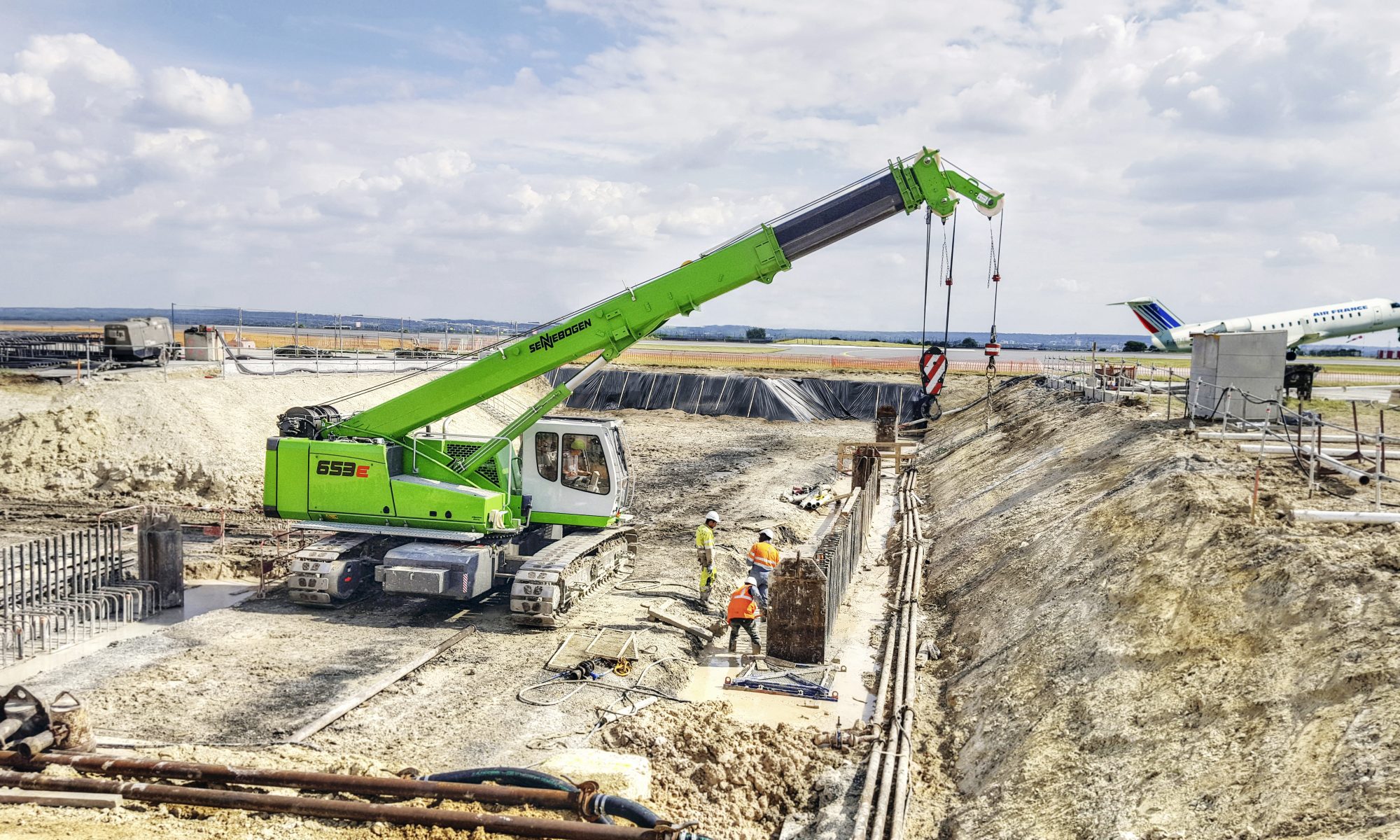
At Aly Energy, we support construction and industrial teams with crane rental, equipment supply and technical service solutions in Singapore. Our crane range includes crawler cranes and telescopic crawler crane options, including SENNEBOGEN models designed for flexible lifting reach and crawler-based mobility.

  • We support lifting needs across construction, infrastructure, marine, industrial and maintenance projects.
  • Our equipment is maintained to support safer operation, better reliability and fewer site disruptions.
  • We understand practical site constraints such as ground bearing limits, restricted access, tight work zones and changing schedules.
  • Our broader capabilities include equipment rental, technical services, power generation, hydraulic support, MRO services and parts support.
  • We help you select lifting equipment that supports smoother coordination, safer operation and better project productivity.

Conclusion

A telescopic crawler crane in Singapore gives modern construction and industrial projects the flexibility, stability and efficiency needed for challenging job sites. With telescopic boom reach and crawler track mobility, this crane type can support lifting work in compact spaces, uneven ground conditions and changing site layouts.

Renting also allows you to access advanced lifting equipment without a major capital commitment. The key is choosing a crane that fits your load, site conditions, lifting radius and project schedule. Partner with Aly Energy for dependable telescopic crawler crane rental solutions tailored to Singapore’s construction and industrial requirements. 

Visit https://www.aly.com.sg/telescopic-crawler-crane-singapore/ to explore our crane rental support.


Mini Spider Crane Singapore: Why Compact Cranes Are Transforming Modern Lifting Operations

mini spider crane Singaproe

Precision lifting is becoming more important across Singapore’s construction, commercial, industrial and maintenance sectors. In a city where sites are often compact, access routes are narrow, and work is frequently carried out inside existing buildings, a spider crane in Singapore can help you complete lifting tasks that conventional cranes cannot manage efficiently.

This is especially true for projects in MRT stations, data centres, shopping malls, commercial buildings, industrial facilities and HDB upgrading works. These environments rarely offer the open space, ground access or setup conditions needed for large cranes. You may need to lift heavy materials through a doorway, place equipment on a rooftop, install glass panels along a façade or position mechanical components inside a plant room.

That is where the mini spider crane earns its place. Its compact body, extendable outriggers and strong lifting performance make it useful for tight spaces, indoor work, and complex construction sites. Before selecting one for your project, you need to understand how it works, where it performs best and what details affect safe lifting.

What Is a Mini Spider Crane?

A mini spider crane is a compact lifting machine designed for confined areas, restricted-access sites and projects where larger cranes cannot enter or operate safely. It combines a small footprint with stabilising outriggers and a telescopic boom, giving you lifting reach and capacity without needing a large setup area.

Understanding the Design of a Mini Spider Crane

A mini spider crane has a compact body that can pass through narrow access points and work where standard lifting equipment may be too bulky. Its extendable outriggers spread outward during lifting to improve balance and distribute load. Many models also come with flexible boom configurations for controlled lifting, positioning and placement in awkward spaces.

Why It Is Called a Spider Crane

The name comes from its spider-like outrigger stance. When deployed, the outriggers extend from the crane body to create a wider support base. This helps improve stability while keeping the main machine compact enough for worksites with restricted access.

How Mini Spider Cranes Differ from Conventional Cranes

Conventional cranes usually need wider access routes, larger setup areas and heavier mobilisation planning. A mini spider crane is easier to transport, position and operate in confined or indoor environments. It does not replace large cranes for heavy outdoor lifting, but it works well when space, access and precision are the bigger challenges.

Why Are Mini Spider Cranes Becoming Popular in Singapore?

A mini crane in Singapore is becoming more common because Singapore’s built environment keeps getting denser. Many projects now involve upgrading, retrofitting or maintaining existing buildings rather than working on wide-open sites. In these locations, the challenge is not only lifting weights. It is getting the equipment into position safely.

Mini spider cranes are useful in Singapore because they support precision lifting in restricted environments such as MRT stations, data centres, shopping malls, commercial towers, industrial facilities and HDB upgrading sites. When conventional cranes cannot be deployed due to space limitations, access issues or ground load restrictions, a compact crane can keep the work moving.

Increasing Urban Redevelopment Projects

Redevelopment projects often take place beside active roads, occupied buildings or tight site boundaries. A mini spider crane helps you carry out lifting work without needing a large crane setup area. This is useful for additions and alterations works, façade upgrades, interior structural works and equipment replacement projects.

Limited Space on Construction Sites

Singapore worksites rarely have generous staging areas. Materials, workers, vehicles and machinery often compete for the same limited space. A compact lifting machine helps reduce congestion because it can operate within tighter zones while still providing controlled lifting capability.

Growth of Building Renovation and Retrofitting Projects

Renovation and retrofitting works often happen inside completed buildings, where access routes may include doorways, corridors, loading bays or service areas. A mini spider crane can support lifting tasks in these environments without the disruption of a major external crane setup.

Demand for Precision Lifting in Commercial Buildings

Commercial buildings often require careful placement of glass panels, steel components, mechanical units, escalator parts or sensitive equipment. Precision matters because damage to surrounding finishes, services or occupied spaces can be costly. A mini spider crane gives you controlled lifting in areas where accuracy matters as much as capacity.

Key Advantages of Using a Spider Crane in Singapore

A spider crane in Singapore is useful when your project needs lifting power without taking over the entire site. Its main value lies in compact access, controlled placement and reduced disruption.

  • Access to Narrow and Restricted Areas: Mini spider cranes can move through tighter access points, making them useful for indoor areas, back-of-house routes, narrow entrances and compact sites.
  • Suitable for Indoor and Enclosed Environments: Their compact size allows them to work inside buildings, malls, factories, warehouses and transport facilities where larger cranes cannot operate.
  • Reduced Site Disruption: Smaller setup requirements help reduce obstruction to nearby work areas, traffic flow, pedestrians and ongoing building operations.
  • High Lifting Capacity Relative to Size: A mini spider crane can lift impressive loads for its footprint, making it useful when you need strength without large machinery.
  • Enhanced Safety During Delicate Lifting Operations: Controlled movement supports precise placement of glass, steel, M&E components and other sensitive materials.
  • Easy Transportation Between Job Sites: Mini spider cranes are easier to transport than larger cranes, which makes them suitable for contractors managing multiple short-duration lifting tasks across Singapore.

Where Are Mini Spider Cranes Commonly Used in Singapore?

A mini spider crane is most useful when a project needs compact access, stable lifting and precise load placement. In Singapore, these conditions appear across many construction, maintenance and upgrading environments.

  • Commercial Building Construction: Useful for lifting steel sections, façade materials, equipment and structural components in tight urban sites.
  • Glass Installation and Façade Projects: Supports controlled placement of glass panels, curtain wall sections and external finishing elements.
  • Industrial Facility Maintenance: Helps lift pumps, motors, tanks, machinery parts and plant equipment inside factories or process facilities.
  • Mechanical and Electrical Equipment Installation: Suitable for positioning chillers, switchboards, ducts, generators, compressors and other M&E components.
  • Shopping Mall Renovations: Works well in enclosed areas with limited access, finished surfaces and active surrounding operations.
  • Airport and Transportation Infrastructure Projects: Useful in spaces where access, safety, timing and movement control are tightly managed.
  • Rooftop Equipment Placement: Helps position equipment in areas where large cranes may face access, setup or ground constraint issues.

How Mini Spider Cranes Solve Common Lifting Challenges

Mini spider cranes are not chosen only because they are small. They are chosen because they solve practical site problems that can delay lifting work, increase manpower requirements or complicate safety planning.

  1. Working in Confined Spaces

Confined spaces limit the movement of both machinery and workers. A mini spider crane can be positioned in tighter work zones while still providing lifting capability. This helps when you need to lift inside service yards, plant rooms, basements, atriums or narrow site corridors.

  1. Lifting Through Building Openings

Some projects require materials to be lifted through doors, windows, roof openings or façade gaps. A mini spider crane can support these lifts because it can be placed closer to the work area. This reduces the need for complicated rigging methods and improves placement control.

  1. Navigating Weight Restrictions

Existing floors, ramps and decks may not be designed for heavy equipment. Mini spider cranes have a lower footprint than many conventional cranes, but ground loading still needs proper assessment. The right model, outrigger setup and load calculation help you work within site limitations.

  1. Operating in Sensitive Indoor Environments

Indoor work often involves finished floors, nearby services, restricted noise levels and limited ventilation. Mini spider cranes can support controlled lifting in these spaces when proper protection, route planning and safety controls are in place. This is especially useful in malls, hotels, offices, hospitals and data centres.

  1. Reaching Difficult Elevated Locations

Some elevated areas are difficult to access with standard lifting equipment. Rooftops, mezzanine levels, atriums and internal voids may require compact machinery that can be moved into position before lifting begins. A mini spider crane offers a practical solution where external crane access is limited.

Lifting ChallengeTraditional CraneMini Spider Crane
Indoor AccessLimitedExcellent
Narrow EntrancesDifficultEasy
Rooftop LiftingComplex setupEfficient
Renovation ProjectsSpace constraintsIdeal solution
Precision PlacementModerateHigh accuracy

Factors to Consider When Choosing a Mini Spider Crane

Choosing the right mini spider crane starts with the lift plan, not the machine catalogue. The model you select should match the load, site, access route and safety requirements.

Required Lifting Capacity

Check the actual load weight, including attachments, rigging gear and any lifting accessories. Do not choose based only on the maximum rated capacity. Crane capacity changes depending on boom length, working radius and outrigger position.

Maximum Working Height

Working height affects whether the crane can place the load safely at the required level. You need to consider both vertical height and horizontal reach. A lift that looks simple at ground level can become more complex once reach and clearance are included.

Site Accessibility Conditions

Review access width, doorway height, turning space, ramp gradient and travel route. If the crane must move through a building, check floor protection, lift access, loading bay dimensions and any overhead obstructions.

Ground Surface Requirements

Outrigger stability depends on the ground surface. Concrete slabs, steel decks, tiled floors, uneven ground and temporary platforms behave differently under load. You may need outrigger mats, load spreading calculations or engineering checks before lifting.

Indoor vs Outdoor Applications

Indoor projects may require attention to floor loading, fumes, ventilation, noise and surface protection. Outdoor work may involve weather, ground unevenness, wind conditions and access constraints. The crane should suit the working environment, not just the lifting weight.

Safety and Compliance Considerations

Review inspection records, operator competence, lifting plans, method statements and relevant Singapore workplace safety requirements. A mini spider crane may be compact, but it still performs lifting work that requires proper planning and control.

Safety Best Practices for Spider Crane Operations

Safe spider crane operation starts before the load leaves the ground. A compact machine can still create serious risks if the lift is poorly planned, the ground is unsuitable, or the operator lacks the right training.

  • Check access routes, ground conditions, overhead obstructions, nearby workers, floor loading and load movement paths before mobilisation.
  • Deploy outriggers according to the crane’s operating requirements and use suitable mats or supports where ground conditions demand it.
  • Confirm the actual load weight, including rigging equipment, before lifting. Guesswork has no place in crane work.
  • Use trained and competent operators who understand the crane model, load charts, controls and emergency procedures.
  • Inspect the crane, wire ropes, hooks, outriggers, controls, safety devices and lifting accessories before operation.
  • Follow applicable workplace safety rules, lifting procedures and site-specific requirements to protect workers and project continuity.

Mini Spider Crane vs Other Compact Lifting Equipment

Equipment TypeBest Use CaseSpace RequirementPrecision LiftingIndoor SuitabilityKey Limitation
Mini Spider CraneConfined-space lifting and precise load placementLowHighHighRequires proper outrigger setup and lift planning
Mobile CraneLarge outdoor lifting projectsHighMediumLowNeeds a larger access and setup area
ForkliftMaterial transport and pallet movementMediumLowMediumNot designed for suspended precision lifting
Boom LiftPersonnel access at heightMediumNot applicableMedium to HighUsed for people access, not material lifting
Tower CraneHigh-rise construction liftingHighMediumLowFixed setup and unsuitable for small confined tasks

Frequently Asked Questions About Mini Spider Cranes

What is a mini spider crane used for?

A mini spider crane is used for lifting and placing materials in confined spaces, indoor areas, rooftops, renovation sites and restricted-access locations.

How much weight can a mini spider crane lift?

It depends on the model, boom length and working radius. Aly Energy’s SPT mini spider crane range includes models with capacities of up to 3 tons, 5 tons and 10 tons.

Can a spider crane be used indoors?

Yes. Spider cranes are commonly used indoors when access, floor loading, ventilation and safety controls are properly assessed before operation.

What industries commonly use mini spider cranes?

They are used in construction, commercial renovation, industrial maintenance, M&E installation, transport infrastructure, marine support and facility upgrading works.

Is a spider crane suitable for rooftop lifting projects?

Yes, if the rooftop structure, access route, load weight and outrigger setup are properly assessed. Rooftop lifts should always be planned with clear load and ground pressure checks.

How does a mini spider crane improve site safety?

It improves safety by allowing more controlled lifting in tight spaces, reducing manual handling and supporting precise load placement when operated by trained personnel.

What factors affect mini crane selection?

Key factors include lifting capacity, working height, site access, ground surface, indoor or outdoor conditions, load dimensions, operator requirements and safety documentation.

Why Businesses Choose Aly Energy for Mini Spider Crane Solutions in Singapore

At Aly Energy, we support companies that need compact lifting solutions for confined spaces, indoor work, and complex site conditions. Our SPT mini spider crane range includes models with capacities of up to 3 tons, 5 tons and 10 tons, giving you options for different project requirements.

  • Reliable and Well-Maintained Equipment: We provide equipment that is checked and maintained to support safer, smoother lifting operations.
  • Expertise in Complex Lifting Projects: Our team understands site constraints, load requirements and the practical challenges of lifting in restricted areas.
  • Solutions for Restricted Access Locations: We support projects where conventional cranes may not be suitable, including indoor sites, renovation works and tight urban environments.
  • Commitment to Safety and Operational Efficiency: We focus on proper equipment selection, site suitability and dependable support to help you reduce downtime and manage lifting risks.
  • Support for Construction, Industrial and Maintenance Projects: We serve a wide range of sectors, including construction, marine, offshore, aviation, recycling and industrial works. Aly Energy also offers broader equipment rental and support services, including cranes, boom lifts, scissor lifts, telehandlers, generators and tower lights.

Conclusion

A spider crane in Singapore can make difficult lifting work more manageable when space, access and precision are major concerns. For Singapore projects involving indoor works, building upgrades, rooftop placement, façade installation or restricted-access locations, a mini spider crane offers a practical way to lift safely without relying on large crane setups.

The right equipment choice still matters. You need to consider load capacity, working height, ground conditions, access routes and safety requirements before selecting a crane. Aly Energy can help you assess the right mini crane in Singapore, including mini spider crane rental and support for complex lifting environments. 

Visit https://www.aly.com.sg/mini-spider-crane/ to explore our compact lifting solutions.


Scissor Lift Rental Singapore: A Complete Guide to Choosing the Right Lifting Equipment

scissor lift rental singapore

A scissors lift gives your team a safer and more stable way to work at height, especially when the task requires straight vertical access, a wider platform and room for tools or materials. In Singapore, where construction sites, warehouses, industrial facilities and commercial buildings often operate within tight spaces and strict safety requirements, choosing the right access equipment can affect both productivity and site safety.

Working at height is not just about getting workers higher. You need proper platform stability, safe load capacity, suitable ground conditions and equipment that fits the work area. Ladders may work for quick low-level tasks, but they are not ideal for extended work, heavier tools or repeated movement across elevated areas.

This is why scissor lift rental is widely used across Singapore. It allows businesses to access the right scissor lift machine for specific work-at-height tasks without committing to high ownership costs, storage requirements or long-term maintenance responsibilities.

What Is a Scissor Lift Machine?

A scissor lift machine is a mobile elevated work platform designed to raise workers, tools and light materials vertically. It uses a criss-cross support structure that extends upward, creating a stable platform for work at height.

Unlike boom lifts, scissor lifts do not provide major horizontal outreach. Their main strength is vertical access. This makes them suitable for ceiling works, warehouse maintenance, installation tasks, inspection, repairs and construction activities where the work area is directly above or near the machine base.

Understanding How a Scissor Lift Works

A scissor lift uses a hydraulic lifting mechanism to expand and contract its crossed metal supports. As the scissor arms extend, the platform rises vertically. Operators can control platform height from the machine, allowing workers to reach elevated areas while staying on a stable work surface.

Main Components of a Scissor Lift

The main components include the working platform, scissor arms, hydraulic system, control panel, base and safety features. The platform carries workers and tools, while the scissor arms provide vertical lift. Safety features may include guardrails, emergency lowering systems, alarms, brakes and load limit controls.

Why Scissor Lifts Are Used for Vertical Access Work

Scissor lifts are used because they offer a stable platform for tasks that require workers to stay at height for longer periods. They also allow teams to bring tools and materials up safely, reducing repeated climbing and manual handling. For many work-at-height tasks, that means better safety, faster completion and less fatigue.

Why Scissor Lift Rental in Singapore Is a Popular Choice

Scissor lift rental Singapore services are popular because many companies only need access equipment for specific projects, maintenance cycles or short-term works. Rental gives you flexibility without turning every access requirement into a long-term investment.

  • Reduces Equipment Purchase Costs: Renting helps you avoid large upfront equipment costs, which is useful when you only need a scissor lift for selected projects or seasonal maintenance.
  • Supports Better Project Budget Management: Rental expenses can be tied to project duration, making costs easier to plan and control.
  • Provides Access to Different Scissor Lift Models: You can choose equipment based on working height, platform size, power type, terrain and indoor or outdoor use.
  • Lowers Maintenance Responsibility: The rental provider typically manages servicing, upkeep and equipment readiness, reducing the burden on your internal team.
  • Supports Short-Term and Long-Term Projects: Rental options can suit one-off tasks, weekly work, long maintenance periods or extended construction projects.

Common Applications of Scissor Lift Singapore Solutions

Scissor lift Singapore solutions are useful when workers need stable vertical access with enough platform space for tools, materials and movement. They are commonly used across construction, commercial, warehouse and industrial environments.

  • Construction and Building Maintenance: Used for ceiling installation, electrical works, structural maintenance, inspection, painting and finishing tasks.
  • Warehouse and Logistics Facilities: Useful for storage rack maintenance, lighting installation, sprinkler access, signage work and high-level inspection.
  • Industrial Plant Operations: Supports machinery inspection, repair, servicing, pipework, ducting and access to overhead equipment.
  • Commercial Properties: Helps with mall maintenance, signage installation, cleaning, repair works and ceiling-level servicing.
  • Facility Management Projects: Suitable for routine inspection, repair and preventive maintenance tasks across offices, schools, hospitals and mixed-use buildings.

Types of Scissor Lift Machines Available

Different scissor lift machines are designed for different site conditions. The right choice depends on whether the work is indoors or outdoors, how high the platform must reach, how much weight it must carry and what ground surface it will operate on.

  1. Electric Scissor Lift

Electric scissor lifts are commonly used indoors because they operate with lower noise and no direct exhaust emissions. They work best on smooth, level surfaces such as warehouses, malls, offices, airports and indoor facilities. They are suitable for maintenance, installation and inspection works where clean operation matters.

  1. Diesel Scissor Lift

Diesel scissor lifts are designed for outdoor construction environments where stronger power and longer runtime are needed. They are usually more suitable for rugged worksites, open areas and heavy-duty applications. If the site has dust, uneven surfaces or long operating hours, diesel models may be more practical.

  1. Rough Terrain Scissor Lift

Rough terrain scissor lifts are built for uneven ground conditions. They typically come with stronger tyres, higher ground clearance and better outdoor site performance. These are useful for construction sites, infrastructure works and industrial yards where smooth flooring is not available.

  1. Compact Scissor Lift

Compact scissor lifts are useful in limited-access areas where larger machines cannot move easily. They suit tighter indoor spaces, narrow aisles and smaller work zones. They are often used in warehouses, commercial properties and facility maintenance projects where manoeuvrability matters.

Benefits of Using a Scissor Lift Machine

A scissor lift machine improves work-at-height tasks by giving workers a stable elevated platform and reducing reliance on less efficient access methods.

  • Improved Workplace Safety: Guardrails, platform controls and stable elevation help reduce the risks linked to ladders and improvised access.
  • Faster Completion of Elevated Tasks: Workers can reach the work area quickly and stay there with tools and materials close by.
  • Increased Worker Productivity: Larger platforms allow more efficient movement, better tool handling and fewer trips up and down.
  • Stable Working Platform: The vertical lifting structure provides strong support for tasks that require steady positioning.
  • Easy Transportation Around Work Sites: Many scissor lifts can be moved between work areas, reducing repeated setup time.
  • Reduces Dependence on Temporary Access Structures: For short-duration or moving works, a scissor lift can be more practical than scaffolding.

Scissor Lift vs Boom Lift: Which Equipment Is Better?

A scissor lift is usually better for straight vertical access where the work area is directly above the machine. A boom lift is better when workers need to reach over obstacles, around structures or across horizontal distances.

FeatureScissor LiftBoom Lift
MovementMainly verticalVertical and horizontal
Platform SizeLarger platformSmaller basket
StabilityVery highHigh
Best ForStraight-up accessReaching difficult areas
Common UseMaintenance and constructionComplex access work
Horizontal ReachLimitedStrong
Indoor SuitabilityHigh for electric modelsHigh for selected electric models
Outdoor SuitabilityHigh for diesel or rough terrain modelsHigh for diesel or rough terrain models
Tool and Material SpaceBetterMore limited

How to Select the Right Scissor Lift Rental Singapore Solution

Choosing the right scissor lift rental in Singapore starts with understanding your work area. The machine should match your height, load, access route, surface condition and project timeline.

  • Determine Required Working Height: Measure the actual height workers need to reach, including safe working position and platform allowance.
  • Check Platform Load Capacity: Confirm the combined weight of workers, tools and materials before selecting the machine.
  • Consider Indoor or Outdoor Usage: Indoor sites usually suit electric models, while outdoor or uneven sites may require diesel or rough-terrain options.
  • Evaluate Floor and Ground Conditions: Check whether the surface is level, smooth, tiled, paved, uneven or soft. Ground conditions affect stability and movement.
  • Review Project Duration: Confirm whether you need the equipment for a day, a week, several months or different project phases.
  • Choose a Reliable Scissor Lift Supplier: Work with a provider that can advise on equipment suitability, delivery, support and safety requirements.

Safety Guidelines When Operating a Scissor Lift

Scissor lifts are designed for safer access, but safe operation still depends on proper planning, trained operators and site discipline. Before using the machine, your team should understand both the task and the equipment limits.

  • Conduct Site Assessment Before Operation: Check floor condition, slopes, overhead obstacles, nearby workers, traffic routes, doorways and weather exposure.
  • Provide Proper Operator Training: Only trained and authorised personnel should operate the equipment and understand controls, emergency procedures and platform limits.
  • Inspect Equipment Before Use: Check tyres, controls, guardrails, brakes, alarms, emergency lowering systems, hydraulic components and platform condition.
  • Follow Weight Limit Requirements: Do not exceed the rated load capacity, including workers, tools and materials.
  • Use Appropriate Safety Equipment: Wear PPE such as helmets, safety footwear, gloves and harnesses where required by the task, site rules or equipment type.
  • Maintain Safe Working Practices: Avoid sudden movement, leaning outside the guardrails, moving with the platform raised unless permitted, or operating too close to edges and hazards.

What Makes a Reliable Scissor Lift Supplier in Singapore?

A reliable scissor lift supplier should help you choose equipment that fits your site, not simply provide the nearest available unit. Good support can reduce downtime, improve safety and prevent costly mismatches.

  • Quality and Well-Maintained Equipment: The scissor lift should be serviced, inspected and ready for site use.
  • Wide Range of Equipment Options: Different projects may need electric, diesel, compact or rough-terrain scissor lifts.
  • Technical Support and Consultation: The supplier should help assess height, load, terrain, access and project duration before rental.
  • Fast Delivery and Site Support: Timely delivery and responsive coordination matter when project schedules are tight.
  • Compliance With Safety Standards: Equipment should come with proper inspection, documentation and safety support where applicable.
  • Experience Supporting Construction Projects: A supplier with real-site experience can better understand Singapore’s space, access and scheduling constraints.

Frequently Asked Questions About Scissor Lift Rental in Singapore

What is a scissor lift used for?

A scissor lift is used to raise workers, tools and light materials for elevated tasks such as maintenance, installation, inspection, electrical works and construction activities.

How high can a scissor lift reach?

It depends on the model. Smaller electric units may support lower indoor work, while larger diesel or rough-terrain models can reach much higher working heights.

What industries use scissor lifts?

Scissor lifts are used in construction, warehousing, logistics, commercial property management, industrial facilities, M&E works and facility maintenance.

Is scissor lift rental better than buying?

Rental is usually better for short-term, occasional or project-based use. Buying may make sense if your company uses the same scissor lift regularly across many projects.

How much does a scissor lift rental cost in Singapore?

Cost depends on equipment type, working height, rental duration, delivery requirements, site access and any additional support needed.

What type of scissor lift is suitable for construction work?

Diesel or rough-terrain scissor lifts are often suitable for outdoor construction sites. Electric models may suit indoor construction, finishing works and enclosed areas with smooth floors.

How do I choose a scissor lift supplier?

Choose a supplier with well-maintained equipment, different model options, technical guidance, responsive delivery support and experience with Singapore construction or industrial projects.

Why Choose Aly Energy for Scissor Lift and Construction Equipment Solutions?

At Aly Energy, we provide scissor lift rental Singapore solutions for construction, industrial, commercial and maintenance projects. Our access equipment supports safer vertical work, from building maintenance and M&E installations to warehouse servicing and construction tasks.

We also offer wider construction equipment options, including cranes, boom lifts, telehandlers, mini spider cranes, tower lights and diesel generators. With practical equipment support, rental flexibility and technical guidance, we help you select machinery that suits your working height, site conditions, project duration and operational needs.

Conclusion

A scissors lift provides a safer and more efficient way to complete elevated work, especially when your team needs stable vertical access with space for tools and materials. For Singapore businesses, renting helps you access suitable equipment without high ownership costs, storage concerns or long-term maintenance responsibilities.

Choosing the right scissor lift supplier also matters. The right partner can help you match the machine to your site, reduce downtime and support safer work at height. Aly Energy provides dependable scissor lift rental, scissor lift machine options and wider construction equipment solutions for construction, maintenance and industrial requirements. 

Visit https://www.aly.com.sg/scissors-lift/ to explore our scissor lift in Singapore.


Construction Equipment Dealers vs Construction Machinery Rental in Singapore: Which Option Delivers Better Value?

construction equipment in Singapore

When you compare construction equipment dealers with construction machinery rental options in Singapore, the better choice is rarely based on price alone. It depends on how long you need the machine, how often you use it, where your project is located, how much storage space you have, and how quickly your equipment needs may change once work begins.
Singapore’s construction industry operates under tight site conditions. Land is expensive, laydown areas are limited, and many projects run on strict timelines. A contractor working on a short-term building upgrade in the CBD will not have the same equipment needs as a company handling repeated infrastructure works across multiple sites. This is why construction machinery rental has become a practical option for many local contractors. It gives you access to the right machinery when you need it, without locking capital into equipment that may sit idle after one phase of work.
Still, buying has its place. If your team uses the same machine almost every day, and you have the manpower, storage, maintenance capability and project pipeline to support ownership, working with construction equipment dealers can offer long-term value. The key is knowing when ownership works in your favour, and when equipment rental gives you better control over cost, uptime and project flexibility.

What Are Construction Equipment Dealers and What Services Do They Provide?

Construction equipment dealers supply machinery to companies that want to purchase equipment for long-term operational use. In Singapore, these dealers often support contractors, industrial operators, marine companies, infrastructure firms and facility owners that need reliable access to machinery across repeated projects.

A good dealer does more than sell you a machine. They help you select the right model, understand technical specifications, arrange servicing, source parts and keep the equipment productive throughout its working life.

Equipment Sales for Long-Term Construction Operations

Buying machinery makes sense when the equipment supports your day-to-day operations. If your company regularly handles lifting, earthmoving, access work, material handling or site power needs, ownership can reduce your reliance on rental schedules. 

Construction equipment dealers usually offer both new and used machinery, giving you flexibility based on budget, usage and performance requirements. New machines offer stronger warranty coverage and cleaner maintenance history, while used machines can suit lower-utilisation needs. Ownership also gives you more control over attachments, operator training, maintenance planning and equipment deployment.

Technical Consultation and Equipment Recommendations

A machine that looks suitable on paper may not work well on-site. Capacity, working radius, ground conditions, access restrictions, overhead clearance and transport requirements all affect equipment suitability. Experienced dealers help match machinery to actual project needs instead of simply recommending a product category. For example, a compact access platform may suit indoor facility maintenance better than a larger boom lift, while a telehandler may be more practical for moving materials across uneven ground. The right recommendation helps reduce delays, fuel waste, safety risks and operator frustration.

After-Sales Support and Maintenance Services

When you buy machinery, after-sales support affects long-term value. Preventive maintenance, spare parts availability and technical assistance help keep equipment productive instead of turning it into a costly downtime issue. 

A reliable dealer should support scheduled servicing, diagnostics, repairs and clear communication when problems arise. This matters especially for cranes, generators, hydraulic equipment, access platforms and other machines that can delay several workstreams if they fail during a critical project phase.

What Is Construction Machinery Rental and Why Is It Popular in Singapore?

Construction machinery rental allows contractors to use equipment for a specific period without purchasing it. This can include daily, weekly or monthly arrangements, depending on project duration and equipment availability.

In Singapore, rental is popular because many sites are compact, project phases change quickly, and contractors often need different machines at different points of the job. Renting gives you access to suitable equipment without turning every project requirement into a long-term asset decision.

Short-Term and Long-Term Rental Solutions

Short-term rental works well when you need equipment for specific tasks such as lifting materials, powering a temporary setup, reaching elevated work areas, compacting surfaces or supporting night work. 

You only pay for the period of use, which helps keep project costs controlled. Long-term rental suits extended projects where equipment is needed for months, but ownership does not make sense. This flexibility is useful in Singapore, where schedules can shift due to permits, access windows, manpower coordination or site changes.

Access to Modern Equipment Without Large Capital Investment

Heavy machinery requires significant capital, especially if you need more than one machine. With construction machinery rental, you can access suitable equipment without committing to a large upfront purchase. Rental costs are also easier to align with project budgets, which helps protect cash flow. It also gives you the freedom to use machinery that fits the task, instead of relying only on what your owned fleet can provide.

Maintenance and Servicing Included

Rental reduces the maintenance burden on your team. In many cases, servicing and technical support are handled by the rental provider, which is important because construction machinery works in demanding site conditions. This allows your team to focus on execution instead of troubleshooting mechanical issues or sourcing parts. A responsive rental partner can also help minimise downtime through inspections, support and replacement arrangements where needed.

Construction Equipment Dealers vs Rental: Key Differences

Choosing between buying and renting is not only a financial decision. It affects how agile your operations can be, how much responsibility your team carries, and how quickly you can respond when a project changes direction.

Side-by-Side Comparison Matrix

Feature / Factor

Construction Equipment Dealers (Buying)

Construction Machinery Rental (Renting)

Primary Value Proposition

Long-term asset ownership, equity building and complete machine customisation

High operational flexibility, lower long-term liabilities and on-demand scaling

Financial Commitment

Heavy upfront CapEx or long-term financing setup

Predictable, project-specific OpEx without major debt commitment

Fleet Agility and Scaling

Fixed fleet capability, scaling requires buying or selling assets

High agility, machinery can be added, swapped or returned as project phases change

Regulatory and Compliance Responsibility

Owner must manage relevant certifications, inspections and statutory requirements

Rental partner typically supports equipment certification and compliance readiness

Logistics and Storage

The contractor must secure yard space and arrange cross-site transport

Delivery, setup and collection are usually coordinated with the rental provider

Lifespan and Obsolescence

Machinery may become outdated as technology and efficiency improve

Rental gives access to updated models without owning ageing assets

Buying gives you control, while renting gives you adaptability. If your company uses the same machine regularly across multiple projects, ownership may offer stronger long-term value. If your equipment needs change from one project phase to another, rental keeps your fleet flexible without adding storage, transport and maintenance commitments.

Construction Equipment Rental Singapore: Key Benefits for Contractors

For many contractors, construction equipment rental services in Singapore are not just a backup option. They are a smarter way to match equipment use to actual project demand. Here are the main benefits.

  • Lower Initial Investment: Renting helps you avoid large upfront machinery costs, so more budget can go towards labour, materials, safety planning and site execution.
  • Improved Cash Flow Management: Rental costs can be tied to project duration, making expenses easier to plan without long-term loans, depreciation or ownership costs.
  • Flexible Equipment Scaling for Different Projects: Rental lets you adjust your machinery mix as project needs change, whether you need access equipment, lifting support or temporary power.
  • Reduced Storage and Transportation Challenges: In space-tight Singapore, renting reduces the need to store idle equipment and often simplifies delivery and collection planning.
  • Access to Specialised Machinery on Demand: Instead of buying rarely used machines, you can rent specialised equipment only when the project phase requires it.

When Should You Buy Construction Machinery Instead of Renting?

Renting is flexible, but buying can still be the better decision when utilisation is high and predictable. Ownership works best when the machine will be used often enough to justify its cost.

  • High Equipment Utilisation Rates: If your team uses the same equipment almost daily, buying can spread the purchase cost across multiple projects and reduce idle time.
  • Long-Term Infrastructure Projects: Ownership may suit major projects with stable timelines, especially when the same machine is needed throughout the work.
  • Companies with Dedicated Maintenance Teams: Buying works better when your company has the mechanics, systems and parts support to maintain equipment properly.
  • Equipment Required Across Multiple Projects: If the same machine can move from one confirmed project to another with minimal downtime, ownership may deliver stronger long-term value.

What Types of Construction Machinery Are Commonly Available for Rental in Singapore?

Construction machinery requirements for Singapore projects depend on the worksite, project type, access points and safety requirements. Rental fleets often cover a wide range of machines for construction, industrial, marine, infrastructure and facility maintenance work.

  • Excavators

Excavators are used for digging, trenching, demolition, lifting and site preparation. Compact models suit tighter urban sites, while larger excavators are better for heavy earthmoving and infrastructure works. When choosing one, check digging depth, operating weight, attachment compatibility and ground access.

Best suited for:

  • Urban redevelopment sites
  • Drainage and trenching works
  • Civil engineering projects
  • Infrastructure and earthmoving works
  • Generators and Power Equipment

Generators provide temporary power for tools, lighting, site offices, pumps, welding equipment and backup systems. They are especially useful when permanent power is unavailable or when operations cannot afford disruption during maintenance. The right unit depends on load demand, runtime, fuel planning, starting current and noise control.

Best suited for:

  • Construction sites
  • Commercial building maintenance
  • Industrial facilities
  • Shutdown and backup power projects
  • Air Compressors

Air compressors power pneumatic tools used for drilling, breaking, cleaning and surface preparation. The key is choosing the right pressure and airflow for the tools being used. Too small, and performance drops. Too large, and you may waste fuel and space.

Best suited for:

  • Roadworks
  • Marine repair yards
  • Industrial maintenance
  • Concrete breaking and surface preparation
  • Concrete and Compaction Equipment

Concrete and compaction equipment help prepare stable surfaces and improve finishing quality. This category includes compactors, rollers, concrete mixers, vibrators and surface preparation tools. Compact machines are often preferred in Singapore’s tighter work areas because they are easier to move and operate.

Best suited for:

  • Road reinstatement works
  • Landscaping projects
  • Flooring and foundation works
  • Small civil construction sites
  • Lighting Towers

Lighting towers improve visibility for night works, temporary site operations and emergency maintenance. When choosing one, consider coverage area, lamp output, fuel consumption, noise level and operating-hour restrictions. Good lighting is not just about brightness. It helps workers move, inspect and communicate safely.

Best suited for:

  • Night roadworks
  • Marine yards
  • Outdoor maintenance
  • Emergency response works
  • Material Handling Equipment

Material handling equipment includes telehandlers, forklifts, skid loaders and material handlers. These machines help move, lift and position materials safely across the site. Telehandlers are useful when reach and height matter, while skid loaders work well in compact areas that need strong manoeuvrability.

Best suited for:

  • Construction sites
  • Warehouses and logistics areas
  • Recycling facilities
  • Port, marine and industrial environments
  • Road Construction Machinery

Road construction machinery supports resurfacing, reinstatement, trenching, compaction and pavement works. Contractors may use rollers, compactors, lighting towers, generators, compressors and material handling support depending on the project. Reliability matters because roadworks often operate within strict lane closure or night work windows.

Best suited for:

  • Road maintenance projects
  • Utility works
  • Public infrastructure upgrades
  • Industrial estate improvement works

Heavy Equipment Rental Singapore: How to Select the Right Machinery

Heavy equipment rental in Singapore projects should never be chosen based on machine type alone. The right equipment depends on the task, the site and the operating conditions.

Evaluate Project Scope and Site Conditions

Start with the work that needs to be done. Are you lifting, digging, compacting, powering, lighting or accessing height? Then look at the site itself. Consider ground conditions, entry width, turning radius, overhead restrictions, nearby structures, slope and available space for setup.

A powerful machine is not useful if it cannot enter the site or operate safely within the available working area.

Assess Load Capacity Requirements

For lifting and material handling equipment, load capacity must be calculated carefully. You need to consider not only the weight of the load, but also reach, height, radius and stability.

A crane or telehandler may have different capacity limits depending on how far the load extends from the machine. Always check working charts and seek technical advice if the lift involves unusual dimensions, restricted positioning or critical loads.

Consider Fuel Efficiency and Productivity

Fuel cost affects long-term rental value, especially for equipment used daily. More efficient machinery can reduce operating costs and refuelling downtime.

Productivity also matters. A cheaper machine may cost more overall if it takes longer to complete the job. Look at cycle time, operator visibility, ease of control, attachment options and whether the machine suits your work sequence.

Review Safety Features and Compliance Standards

Safety should be part of equipment selection from the start. Check whether the machine has suitable safety features, valid inspection records, load indicators, emergency stop functions, fall protection points, warning systems and operator documentation where applicable.

In Singapore, contractors must also consider workplace safety requirements and ensure operators are trained for the equipment they use. Rental does not remove your responsibility to manage site safety, but a reliable provider can help you start with properly maintained and compliant machinery.

Check Equipment Availability and Delivery Support

Availability can make or break your schedule. Before confirming rental, check whether the machine can be delivered when needed, whether the provider can support urgent changes, and how quickly technical assistance can be arranged.

This is especially important for projects with tight access windows, weekend work or phased handovers.

Cost Comparison: Construction Machinery Rental vs Equipment Ownership

Equipment cost is more than the purchase price or rental rate. A fair comparison should include financing, maintenance, storage, transport, depreciation, downtime risk and utilisation.

Upfront Capital Expenditure

Buying requires a large upfront commitment or a financing arrangement. This can limit cash flow, especially when several machines are needed at once.

Rental requires lower initial spending. This makes it easier to match equipment cost to a specific project instead of tying money to long-term ownership.

Maintenance and Repair Costs

Owned equipment needs routine servicing, repair planning, parts inventory and technical labour. If the machine breaks down, the owner pays for the repair and absorbs the downtime.

With rental, maintenance support is usually part of the service arrangement. This reduces the pressure on your internal team and helps keep the equipment productive.

Storage and Transportation Expenses

Owned machinery needs a place to stay when it is not in use. In Singapore, storage space can be expensive, and transporting equipment between sites requires planning.

Rental reduces this burden because equipment can be returned after use. For contractors without a dedicated yard, this is a major advantage.

Equipment Depreciation

Purchased machinery loses value over time. Even if the machine is well maintained, market value can fall due to age, operating hours, wear and newer models entering the market.

Rental avoids depreciation risk. You pay for use, not ownership.

Project-Based Cost Efficiency

Rental is often more cost-efficient when machinery is needed for specific phases, uncertain timelines or one-off jobs. Ownership becomes more attractive only when the machine has strong long-term utilisation.

Cost Factor

Equipment Purchase

Equipment Rental

Initial Cost

High

Low

Maintenance

Owner responsibility

Rental provider support

Storage

Required

Usually not required after the rental period

Depreciation

Yes

No

Flexibility

Moderate

High

What Should You Look for in Reliable Construction Equipment Dealers in Singapore?

Whether you are buying or renting, the provider matters. Reliable construction equipment dealers in Singapore should offer more than a machine list. They should understand site requirements, equipment performance and the consequences of downtime.

  • Industry Experience and Reputation: Choose a provider with proven experience across construction, infrastructure, marine or industrial projects. Strong site knowledge usually leads to better equipment recommendations.
  • Wide Equipment Inventory: A broader inventory gives you more options to choose the right machine rather than settling for whatever is available.
  • Technical Expertise: The provider should understand load requirements, working height, site access, power demand, maintenance needs and productivity factors.
  • Responsive Customer Support: Construction schedules move fast, so you need a team that can respond quickly on availability, delivery and troubleshooting.
  • Maintenance and Spare Parts Availability: Reliable servicing and parts support help reduce downtime and keep machinery performing properly.
  • Safety and Regulatory Compliance: Equipment should be inspected, maintained and supported with the right documentation to protect workers, timelines and project standards.

Frequently Asked Questions About Construction Equipment Rental in Singapore

  • Is renting construction machinery more cost-effective than buying?

Yes, if the equipment is needed for a short-term project, specialised task or occasional use. Buying is usually better when the machine is used regularly across multiple projects.

  • What types of projects benefit most from equipment rental?

Rental works well for building upgrades, infrastructure works, shutdown maintenance, temporary power needs, roadworks, facility maintenance, marine works and short-term construction phases.

  • Can rented equipment be used for long-term projects?

Yes. Many contractors rent equipment for months when ownership is not practical or future equipment needs are uncertain.

  • Do rental companies provide maintenance support?

Most rental providers offer maintenance or technical support during the rental period. Always confirm what is included before renting.

  • How quickly can equipment be delivered to project sites in Singapore?

It depends on equipment availability, site location and transport requirements. Compact machines are usually easier to deploy, while larger equipment needs more planning.

  • What factors affect construction machinery rental costs?

Rental cost depends on machine type, rental duration, capacity, model, delivery needs, attachments and support requirements.

Why Aly Energy Is a Trusted Partner for Construction Machinery in Singapore

At Aly Energy, we support companies that need construction machinery solutions in Singapore across sales, rental, servicing and technical support. Based in Singapore, we serve sectors such as construction, marine, offshore, aviation, recycling and industrial works, bringing equipment supply, technical know-how and after-sales support under one roof.

Extensive Equipment Portfolio

We offer cranes, mini spider cranes, scissor lifts, boom lifts, telehandlers, skid loaders, tower lights, generators, material handlers and compaction equipment. This range helps you source different machines from one provider, instead of coordinating with several suppliers.

Authorised Dealer and Brand Support

We work with recognised equipment brands such as SENNEBOGEN, JCB, SANY, DENYO, GRANDWATT and SPT. This gives you access to quality machinery, brand-backed knowledge and stronger confidence in equipment performance.

Flexible Rental Solutions

We provide rental options for short-term and longer-term project needs. Whether you need machinery for a specific construction phase, temporary power requirement or access challenge, our rental support helps you match equipment use to actual site demand.

Strong Technical and MRO Capabilities

Our support goes beyond equipment supply. Our capabilities include servicing, hydraulic solutions, power generation support, spare parts and MRO services. This is valuable when downtime affects site progress and you need technical assistance, not just a machine drop-off.

Local Deployment and Site Support

Singapore projects often deal with tight access, limited space and strict work schedules. Our local presence helps with equipment coordination, delivery planning and response support when requirements change on-site.

Focus on Safety and Equipment Performance

Well-maintained machinery supports safer, smoother and more productive work. As an equipment dealer, rental provider and technical service partner, we give you a more complete support structure throughout the project.

Conclusion

Choosing between construction equipment dealers and construction machinery rental comes down to how often you use the machine, how long the project runs, and how much responsibility you want to carry after the job ends. Buying works best for high-use equipment with a clear long-term purpose. Renting works better when you need flexibility, lower upfront cost and machinery that fits changing site demands.

Aly Energy can help you assess the right equipment strategy for your project, whether you are planning a purchase or need reliable rental support in Singapore. Visit https://www.aly.com.sg/ to explore equipment sales, rental and technical service solutions.