
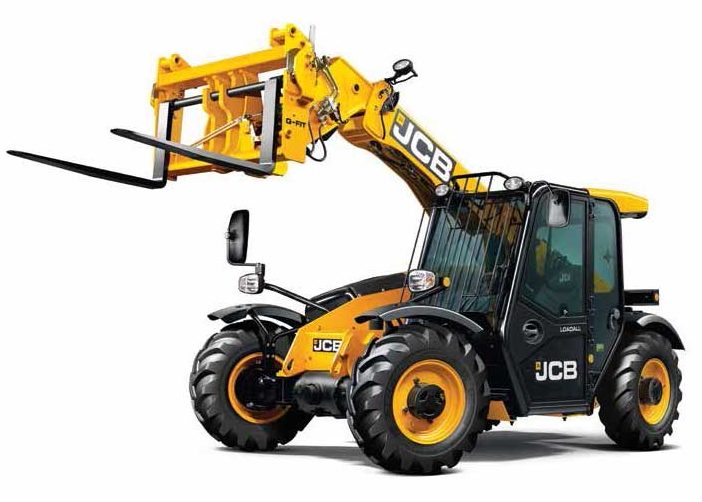
A telehandler in Singapore can make a major difference on construction sites where materials need to be lifted, moved and placed across tight, uneven or fast-changing work areas. But efficient site operations do not start with material handling alone. Before heavy loads can move safely across a project site, the ground must be properly prepared, compacted and made stable enough to support machinery, workers and structural works.
In Singapore, contractors often deal with restricted footprints, tight schedules, limited storage space and strict safety expectations. A site may need to prepare soil or sub-base layers in one phase, then shift quickly into lifting pallets, steelwork, precast elements, M&E equipment or construction materials in the next. Poor ground preparation can slow down machine movement, while weak material handling workflows can delay trades that are ready to proceed.
That is why compaction equipment and telehandlers should be viewed as part of the same operational strategy. Compaction supports safer, more stable ground conditions. Telehandlers support efficient material movement and elevated placement. When both are planned properly, your site runs with fewer bottlenecks and better control from earthworks to structural completion.
Why Construction Sites Need Specialised Site Preparation and Handling Solutions
Modern construction and infrastructure projects need equipment that can handle more than one type of challenge. The ground must be stable enough for machinery, while materials must move quickly to the right location without creating unnecessary manual handling risks.
Supporting Productivity Across Different Project Phases
Construction productivity depends on how smoothly each phase connects to the next. Compaction equipment helps prepare soil, gravel, asphalt and sub-base layers so follow-on works can begin on stable ground. Telehandlers then help move materials across the site and lift them to elevated staging areas, reducing waiting time between deliveries, storage and installation.
This matters across infrastructure, commercial and industrial projects. A roadwork site, warehouse development and multi-storey building may look different, but all three rely on stable access routes and efficient material flow.
Improving Safety on Active Worksites
Ground instability can create settlement, uneven surfaces and machinery movement risks. Proper compaction reduces voids in soil or aggregate layers, improving load-bearing performance before heavier work begins.
Material handling also affects safety. A telehandler reduces the need for workers to manually move heavy or awkward loads across the site. With proper planning, it can place materials closer to the work area and reduce repeated lifting, carrying and repositioning by hand.
Reducing Operational Challenges
Site delays often happen when equipment is not matched to the work sequence. If the ground is not ready, machines cannot move safely. If materials cannot be transported efficiently, workers spend more time waiting than building.
Using the right compaction and handling equipment helps reduce these bottlenecks. It improves structural durability, keeps access routes more reliable and supports smoother movement of materials across constrained work areas.
Understanding Compaction Equipment for Ground Preparation
Compaction equipment prepares the ground before it carries structural loads, vehicle movement or construction activity. It helps create a denser, stronger and more stable surface, which makes later work safer and more predictable.
What Is Compaction Equipment?
Compaction equipment is used to remove air pockets from soil, gravel, asphalt and other base materials. By increasing density, it improves load-bearing capacity and reduces the risk of settlement, rutting or surface failure.
This is especially important before road paving, foundation works, trench reinstatement, hardstanding areas and machinery access routes. Poorly compacted ground may look ready at first glance, but it can fail once weight, vibration and repeated traffic are introduced.
Common Types of Compaction Equipment
Different compaction machines suit different ground conditions and work areas.
- Plate Compactors: Best for small work areas, patching jobs, landscaping, reinstatement works and tight construction spaces where larger rollers cannot operate.
- Vibratory Tandem Rollers and Soil Compactors: Suitable for roadworks, sub-base compaction, asphalt surfaces and larger open areas that need consistent compaction across wider sections.
- Rammer Compactors: Useful for trenches, pipeline works and narrow soil spaces where deeper, more focused compaction is needed.
Why Compaction Equipment Matters in Singapore Construction
Singapore projects often operate within dense urban areas, existing estates and infrastructure corridors. Weak ground preparation can lead to settlement, pavement shifting, uneven surfaces and rework.
Proper compaction helps support building foundations, temporary access routes, road surfaces and work platforms. It also helps teams meet project specifications and engineering requirements before heavier machinery or structural works continue.
Telehandler Solutions for Flexible Material Movement
Once the site is prepared, materials still need to move safely and efficiently. This is where telehandlers become valuable. They combine lifting height, forward reach and rough-terrain mobility in one machine, making them useful for construction sites with limited access and changing layouts.
What Is a Telehandler?
A telehandler, also called a telescopic handler, is a versatile machine that combines features of a forklift and a small crane. It can lift, carry and place loads using an extendable boom, giving it a forward reach that a standard forklift does not offer.
This makes it useful when materials need to be placed over barriers, onto elevated decks, across uneven surfaces or into areas that are difficult to approach directly.
Common Applications of Telehandlers
Telehandlers are useful across multiple project environments because they can move materials and support lifting tasks within the same site.
- Construction Sites: Used for offloading materials, shifting pallets, lifting building components and placing loads onto elevated staging platforms.
- Industrial and Infrastructure Projects: Helps move bulky materials across rough, unpaved or partially prepared terrain.
- Warehouse and Logistics Yards: Support outdoor stacking, material movement and loading operations where height and reach are useful.
Why Telehandlers Are Crucial for Singapore Projects
Singapore worksites often have tight access routes, temporary storage constraints and limited manoeuvring space. A telehandler helps because it can reach forward over obstructions, position materials more accurately and reduce unnecessary repositioning.
Many telehandlers also offer steering modes that improve manoeuvrability in narrow spaces. For urban construction sites, industrial yards and infrastructure works, that agility can save valuable time.
The JCB Advantage: Why Fleet Uniformity Matters on Site
Using machinery from a consistent brand family can make site management easier. JCB Loadall telehandlers and JCB compaction equipment are built for different tasks, but they can support a more coordinated fleet strategy when used together.
Maximised Operator Familiarity and Control Mechanics
Operators work faster and safer when controls feel familiar. Standardised cabin layouts, clear visibility and consistent design logic can reduce the learning curve when operators move between machines.
This does not remove the need for proper training, but it can make daily operation smoother. Familiar controls help operators focus on site conditions, load movement and task accuracy instead of constantly adapting to unfamiliar machine behaviour.
Streamlined On-Site Support and Fleet Management
A more unified fleet can simplify servicing, parts planning and technical support. When equipment comes from the same brand ecosystem, maintenance teams and suppliers can manage documentation, spare parts and service requirements more efficiently.
For contractors, this means fewer moving parts in the support process. One local dealer relationship can help coordinate machine advice, servicing, parts and rental or sales support across multiple equipment categories.
Choosing Between Different Construction Equipment Options
Compaction equipment and telehandlers serve different purposes, but they often support the same project outcome: a safer, more efficient construction site.
| Equipment Type | Main Purpose | Core Advantage | Best Applied Phase |
| JCB Compaction Equipment | Increasing soil density and ground stability | Helps reduce settlement risk and improves load-bearing performance | Earthworks, sub-base preparation and road paving |
| JCB Telehandler | Lifting, transporting and placing heavy materials | Strong forward outreach and rough-terrain versatility | Structural builds, material logistics and elevated installations |
How to Select the Right Equipment for Your Project
The right machine depends on your site layout, ground condition, load requirement and project timeline. A good equipment decision starts with how the work will actually happen on-site.
Evaluate Site Requirements and Footprint
Start with the available space. Check access widths, turning areas, storage zones, ground surfaces and work sequencing. Compact sites may need smaller machines, while larger infrastructure projects may need equipment with higher capacity and greater coverage.
Understand Machine Load and Reach Capabilities
For telehandlers, confirm load weight, lift height and forward reach. A machine may lift a certain weight close to the body, but the capacity changes as the boom extends. For compaction equipment, match machine size and compaction force to the material type, depth and required finish.
Consider Project Duration
Short-term work may suit rental because the equipment is only needed for a specific phase. Longer projects may need a more planned fleet arrangement, especially if compaction, lifting and material movement continue across several stages.
Prioritise Premium Safety Features
Look for features that support safer operation, such as ROPS and FOPS cabins, load management systems, clear operator visibility, stable machine design and accessible controls. These details help protect operators and improve worksite confidence.
Rental vs Ownership: Finding the Right Equipment Approach
Renting and buying both have their place. The right approach depends on utilisation, project pipeline, capital budget and maintenance capability.
Benefits of Renting Heavy Equipment
Rental helps you avoid high upfront capital expenditure and gives you flexibility as the project moves from ground preparation to vertical construction. You can bring in compaction equipment during earthworks, then shift to telehandlers when material movement becomes the priority.
This approach also reduces long-term storage, transport and maintenance responsibilities, which matters in land-scarce Singapore.
When Equipment Ownership May Be Suitable
Ownership may suit companies that use the same equipment continuously across multiple projects. If your team has the maintenance capability, storage space and confirmed workload to keep the machine productive, buying can deliver long-term value.
Why Flexible Fleet Solutions Benefit Contractors
Flexible fleet planning helps contractors avoid underused equipment. It also allows you to match machinery to each project phase instead of relying on a fixed fleet that may not suit changing site needs.
Common Mistakes When Selecting Construction Equipment
Choosing the wrong equipment can lead to delays, safety risks and avoidable costs. Watch out for these common mistakes:
- Skipping site terrain checks: Ground conditions affect compaction, machine movement and load stability. Assess soil, slopes, access routes and working surfaces before choosing equipment.
- Focusing only on the lowest price: A cheaper machine can cost more if it causes downtime, requires extra transport or lacks the right capacity for the job.
- Ignoring support and maintenance history: Reliable servicing, spare parts availability and technical support matter when equipment is working under pressure.
- Choosing the wrong capacity or reach: Undersized equipment can slow the project down, while oversized machinery may be harder to manoeuvre or justify financially. Match the machine to the actual task.
Frequently Asked Questions
What is compaction equipment used for?
Compaction equipment is used to increase the density of soil, gravel, asphalt or sub-base materials. It helps improve ground stability and reduce settlement or surface failure.
What is a telehandler used for?
A telehandler is used to lift, move and place materials across construction, industrial, infrastructure and logistics sites. Its extendable boom allows it to reach higher and further than a standard forklift.
How is a JCB telehandler different from a standard forklift?
A JCB telehandler has an extendable boom, giving it forward reach and higher placement capability. A standard forklift mainly lifts vertically and works best on flatter, more predictable surfaces.
Why is choosing single-brand machinery like JCB beneficial for a job site?
Single-brand machinery can simplify operator familiarity, servicing, parts support and fleet coordination. It can also make communication with the equipment provider more efficient.
What type of compacting machine is best for tight trench environments?
Rammer compactors are usually suitable for tight trench environments because they provide focused compaction in narrow or confined soil spaces.
Is renting construction equipment more cost-effective than buying in Singapore?
Rental is often more cost-effective for project-based use, changing site needs or short-term phases. Buying may suit companies with high utilisation across multiple confirmed projects.
Why Aly Energy Is Singapore’s Trusted Partner for JCB Construction Equipment
At Aly Energy, we support Singapore businesses with JCB construction equipment solutions for material handling, ground preparation, construction, industrial and infrastructure projects. Our role goes beyond equipment supply. We help you select machinery that fits your site conditions, project duration and operational requirements.
- Official JCB Equipment Solutions Provider: We supply JCB Loadall telehandlers and compaction equipment for businesses that need reliable machinery support in Singapore.
- Flexible Rental and Sales Terms: We offer options that support different project timelines, budgets and equipment requirements.
- Maintenance and Technical Support: Our team supports equipment performance through servicing, technical assistance and genuine spare parts management.
Conclusion
Successful construction work depends on two things happening well: stable ground preparation and efficient material movement. Compaction equipment helps create the foundation for safer site activity, while a telehandler in Singapore helps move and place materials with better reach, control and productivity.
When both equipment types are selected properly, your site can move from earthworks to structural and installation phases with fewer delays. Connect with Aly Energy to secure the right JCB telehandler or compaction solution for your next construction, infrastructure or industrial project.